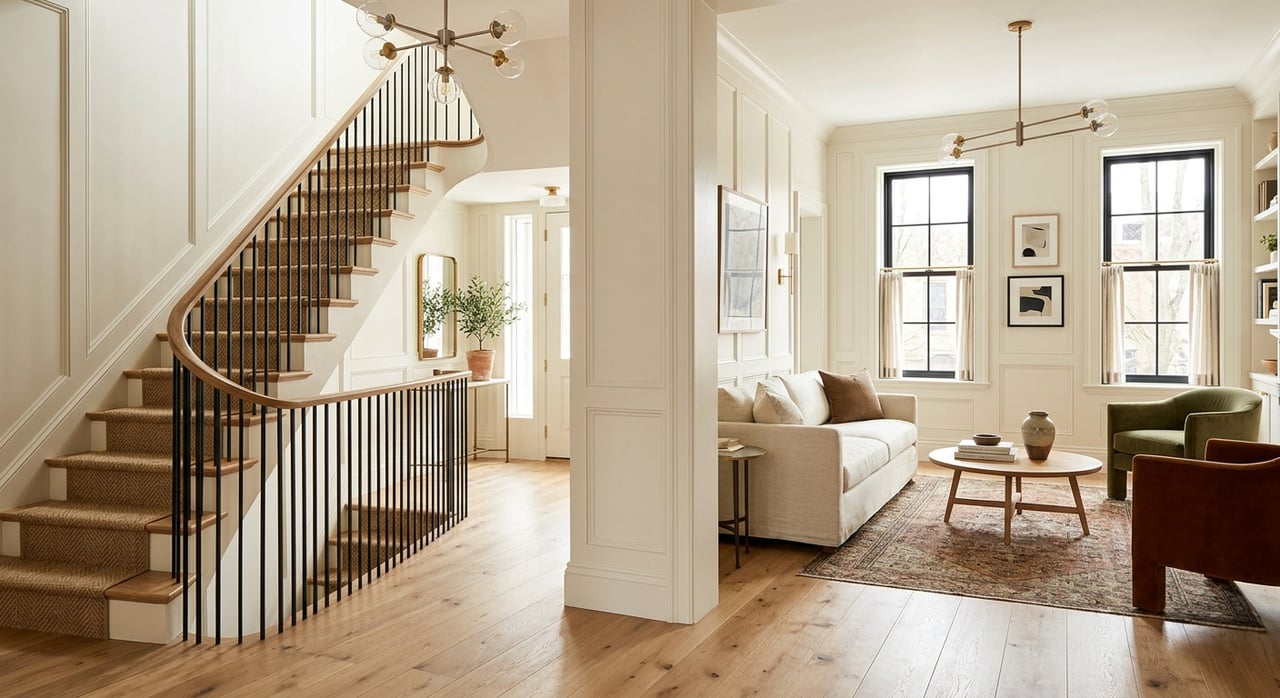
Renovating A Capitol Hill Rowhouse Before You Sell
July 2, 2026
July 2, 2026
Wondering whether to renovate your Capitol Hill rowhouse before you sell? That is a smart question, especially in a neighborhood where buyer expectations, historic rules, and timing all matter at once. If you want to make the right updates without wasting money or slowing down your sale, this guide will help you focus on what tends to matter most. Let’s dive in.
Capitol Hill rowhouses sit within a locally designated historic district that was designated in 1973 and listed on the National Register in 1976. The district’s period of significance runs from 1791 to 1945, which means many older exterior features still carry preservation importance.
For sellers, that usually means the street-facing parts of the home matter most. Porches, steps, windows, doors, and rooflines often receive more scrutiny than owners expect, so a smart pre-sale plan should take the front facade seriously.
That does not mean you should avoid preparing your home for the market. It means you should invest in updates that improve presentation and condition without creating delays or triggering complicated review.
Capitol Hill remains an active market. Recent Redfin data for May 2026 shows a median sale price of $925,114, an average of 41 days on market, and 33.3% of homes selling above list price.
That kind of market can still reward homes that feel well maintained and move-in ready. If your rowhouse looks cared for, buyers may respond well, especially when the home combines historic character with clean, functional updates.
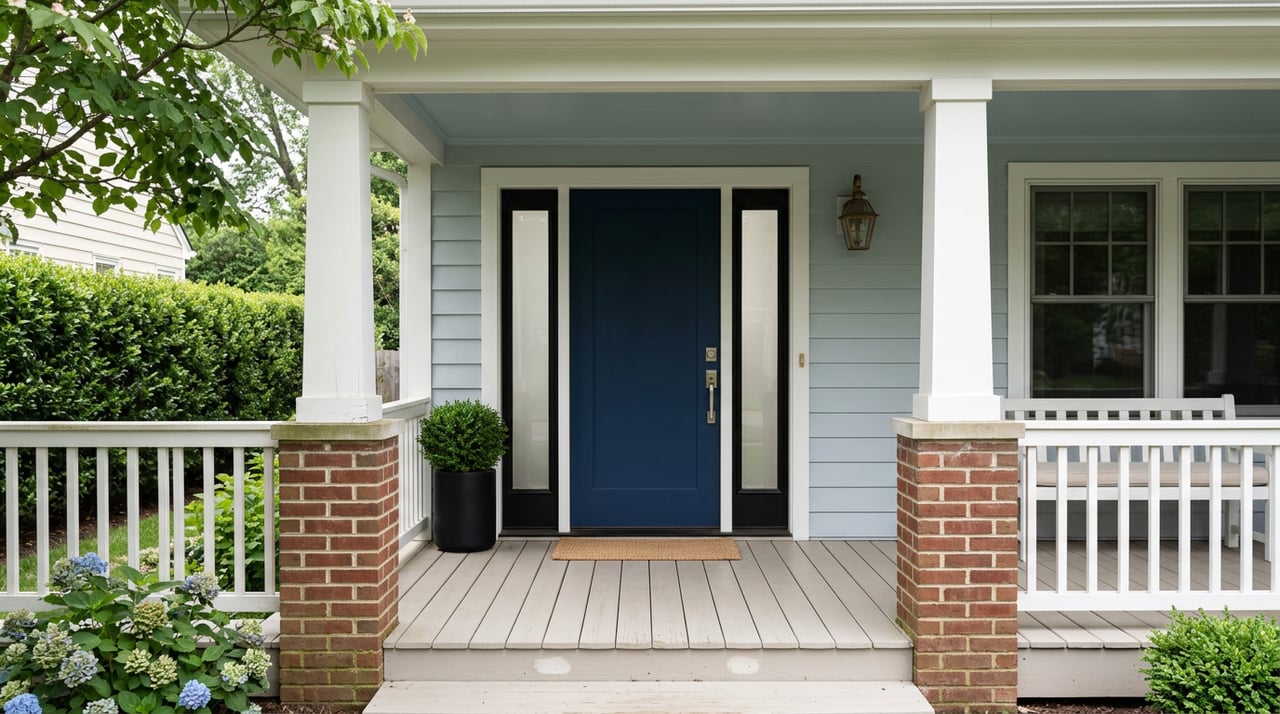
If you are deciding where to spend first, begin outside. DC historic guidance treats front porches and steps as character-defining features, and changes to front-facing elements can require review.
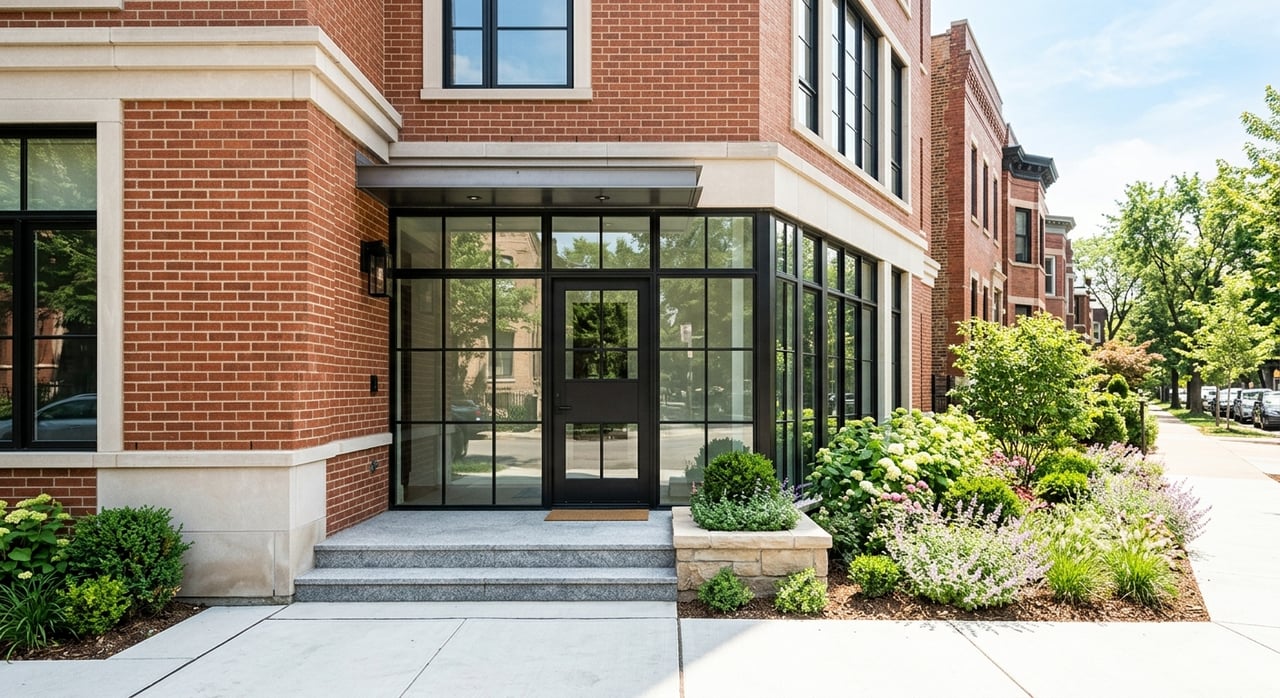
That is why visible maintenance is often the best first move before listing. A tidy stoop, intact railings, a well-kept front door, and an overall polished look can help your home make a strong first impression without pushing you into a major approval process.
Before you think about changing the look of the front of the house, ask whether simple repair and refresh work will do the job. In many cases, it will.
A seller-friendly exterior checklist may include:
For Capitol Hill rowhouses, these kinds of updates often align better with both buyer expectations and preservation rules than a more aggressive exterior remodel.
Not every renovation gives you the same return. If you are selling soon, the goal is usually not to create your dream house. It is to present the home well, protect your timeline, and invest where buyers are most likely to notice.
NAR’s 2025 Remodeling Impact Report found that painting the entire home was one of the most commonly recommended pre-listing projects. Painting one room also ranked high.
Fresh paint can make a rowhouse feel brighter, cleaner, and more move-in ready. It is often one of the simplest ways to improve first impressions, especially inside where historic review is generally less of a concern.
If your rowhouse has original hardwood floors, repair and refinishing may be a better move than replacement. NAR’s 2022 Remodeling Impact Report estimated cost recovery at 147% for refinishing hardwood floors and 118% for new wood flooring.
In a Capitol Hill home, original floors can also support the character buyers expect. When the floors are in repairable condition, refinishing can help you preserve charm while improving presentation.
Kitchens and baths still matter to buyers, but bigger budgets do not always mean better resale math. NAR’s 2025 data put both minor kitchen upgrades and complete kitchen renovations at 60% estimated cost recovery, while bathroom renovations came in at 50%.
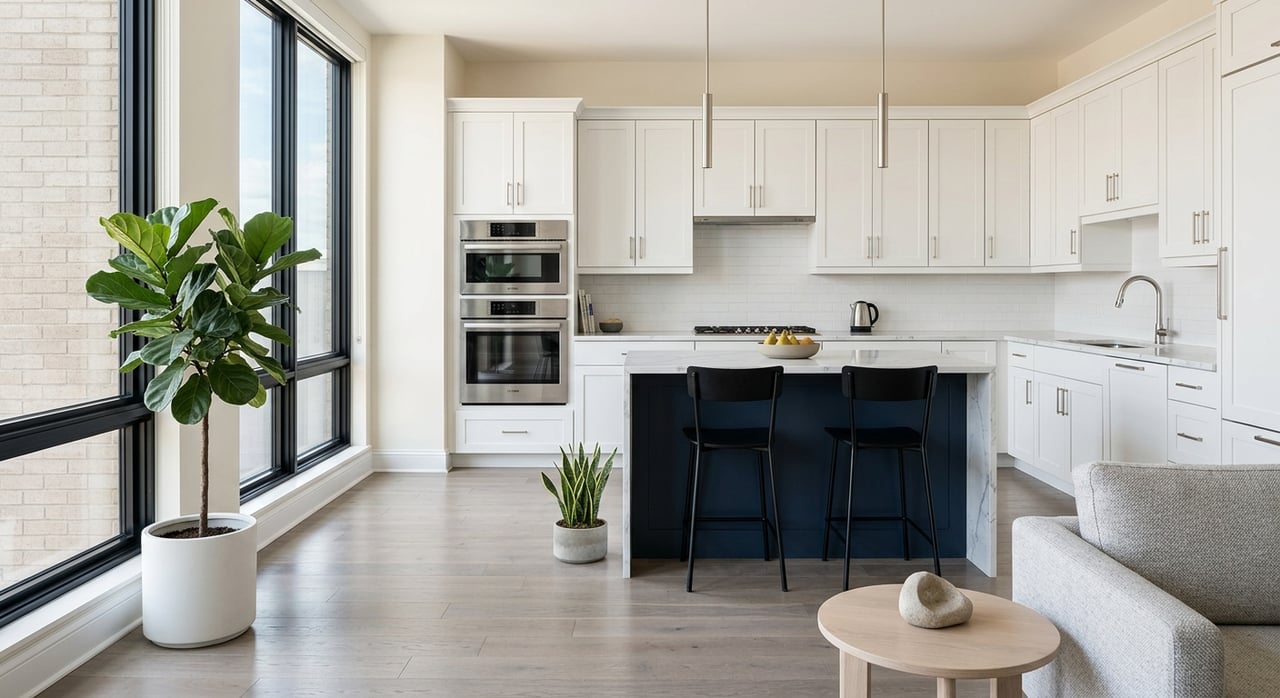
That suggests a clear takeaway for many sellers: refresh where needed, but keep the scope controlled. If cabinetry, counters, lighting, hardware, or worn finishes are dragging down the space, a thoughtful update may make sense. A full luxury overhaul right before listing may not.
NAR’s 2025 report also showed that new roofing remains a commonly recommended pre-listing project. If your roof has visible issues or unresolved maintenance concerns, it may deserve attention before you go live.
That said, roof changes visible from the street can draw more review in a historic district. If roofing work is part of your plan, timing and visibility should be part of the conversation early.
One of the most common pre-sale mistakes in historic homes is replacing original features too quickly. In Capitol Hill, that can be a costly misstep.
DC’s guidance says historic windows on primary elevations should be repaired unless repair is not reasonable. It also notes that weatherstripping, storm windows, and basic repairs can improve efficiency and may make full replacement unnecessary.
The same general principle applies to doors. Historic doors on primary elevations should be retained and repaired unless repair is not feasible, and any replacement should closely match the original in material, profile, and overall appearance.
For sellers, this often means restoration is the smarter move. A well-repaired original window or entry door can support both compliance and buyer appeal better than a generic replacement.
If you are planning to sell within the next year, some projects are more likely to create headaches than value. The biggest risk usually comes from changes that alter the historic face of the house.
Front additions, side additions, porch enclosures, visible dormers, new front openings, and similar facade changes can require HPRB review. These cases are generally reviewed at a public meeting and typically take 30 to 60 days after filing.
That timeline alone can interfere with a near-term listing plan. If your sale is on the horizon, major street-facing redesigns are usually harder to justify unless they solve a clear problem and you have enough time to complete the process.
Roof decks can be especially difficult because DC guidance says they should be hidden from street views. Any roof alteration that changes the building’s visible character may face more scrutiny.
If a project will be easy for buyers to see from the street, there is a good chance it will also get closer preservation attention. That is why these projects are often better postponed unless they are already approved and well underway.
Altering openings on a primary facade is another risky category. New or significantly changed front window and door openings, along with removal of special windows or decorative features, are treated as major alterations requiring review.
For a seller, that usually makes these projects poor candidates for a last-minute resale strategy. They can add cost, complexity, and uncertainty without guaranteeing a better result at closing.
Not all exterior work is equally difficult. DC guidance says rear additions are common on rowhouses and may be acceptable when they are not visible from a public street or alley.
If rear work can be seen, it should be compatible with the rear elevation rather than trying to imitate an original historic facade. In practical terms, rear projects often offer more flexibility than front-facing ones, especially when visibility is limited.
For sellers with a longer runway, a small rear improvement may be easier to fit into the schedule than a major facade change. Still, timing and review requirements should be confirmed before work begins.
In DC, most building and site construction requires a permit, including additions, alterations, repair, window replacement, and decks. For historic property, HPO clearance of the building permit serves as the preservation approval.
Some projects can move quickly. If HPO can approve the work, a permit may be approved within 1 to 3 days after DOB forwards the application, and some minor or routine work receives response or approval within about 1 to 5 days.
Interior alterations, non-structural interior demolition, ordinary maintenance, painting, and basic window repair are generally not subject to historic preservation review. That is one reason many pre-sale plans work best when they center on maintenance and interior presentation.
Once a project involves visible exterior work, the process can become more involved. Formal review may require photos, plans, a narrative description, public notice, and notice to abutting owners, and ANCs can seek additional time for consultation.
If you plan to sell within a year, sort every project into one of three buckets:
Maintenance and many interior refreshes are often the safest path. Major exterior changes can become a real part of your listing timeline, so they should be evaluated early.
For many Capitol Hill sellers, the best path is not the biggest renovation. It is the most strategic one.
A strong pre-sale framework usually looks like this:
This approach helps you protect the character buyers want while reducing the odds of over-improving or missing your ideal listing window.
Selling a Capitol Hill rowhouse takes more than a punch list. You need a plan that balances neighborhood expectations, likely buyer response, and the realities of timing.
At Bernstein Homes, that planning process is part of the service. From renovation coordination and staging to positioning your home for premium presentation, the goal is to help you focus on improvements that support a smoother sale and stronger market impact.
If you are thinking about selling your Capitol Hill rowhouse, Bernstein Homes can help you build a smart pre-sale strategy around your home, your timeline, and your goals.

Bernstein Homes's commitment to staying ahead of market trends and providing unparalleled service has earned them respect of clients alike, leading to strong and long-lasting relationships.

BERNSTEIN HOMES OF COMPASS
7200 WISCONSIN AVE STE 100 BETHESDA MD 20814