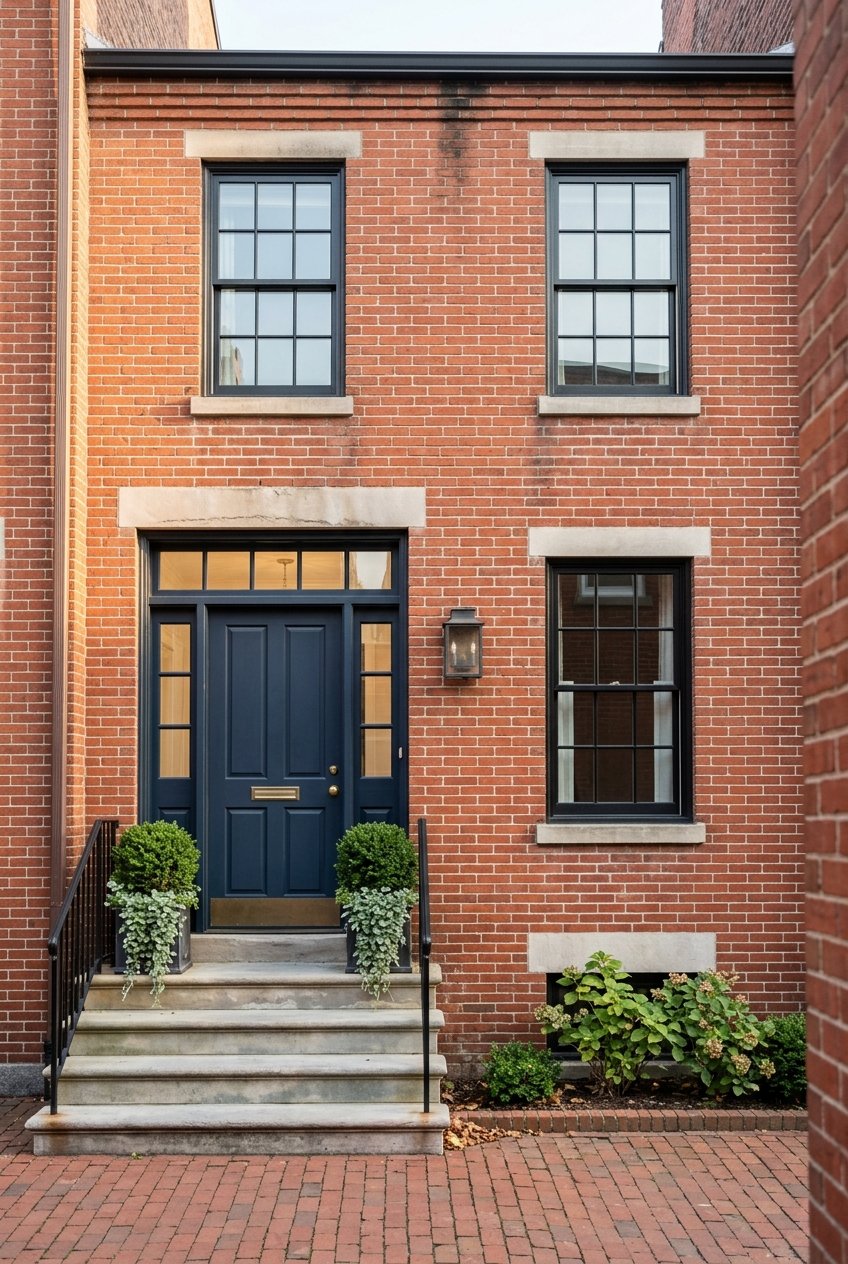
Selling A Historic Georgetown Rowhouse The Right Way
June 4, 2026
June 4, 2026
If you own a Georgetown rowhouse, you already know it is not just another home hitting the market. Buyers notice the brickwork, windows, proportions, updates, and even the story a house tells from the sidewalk. When you are preparing to sell, the goal is not simply to list it. It is to position it correctly, document it clearly, and present it in a way that respects both Georgetown’s historic standards and today’s buyer expectations. Let’s dive in.
Georgetown Historic District was created in 1950 and was the first historic district in Washington. It is also both a National Register district and a National Historic Landmark, with a period of significance from 1751 to 1950. That history matters because buyers are often looking at more than layout and square footage.
Georgetown’s housing stock also evolved over time. Some homes began as detached brick residences, while others took shape as narrow brick townhouses and later Colonial Revival-style dwellings. Many houses were substantially remodeled in the 1930s and 1940s, so a successful sale often depends on explaining what is original, what was carefully restored, and what was added later.
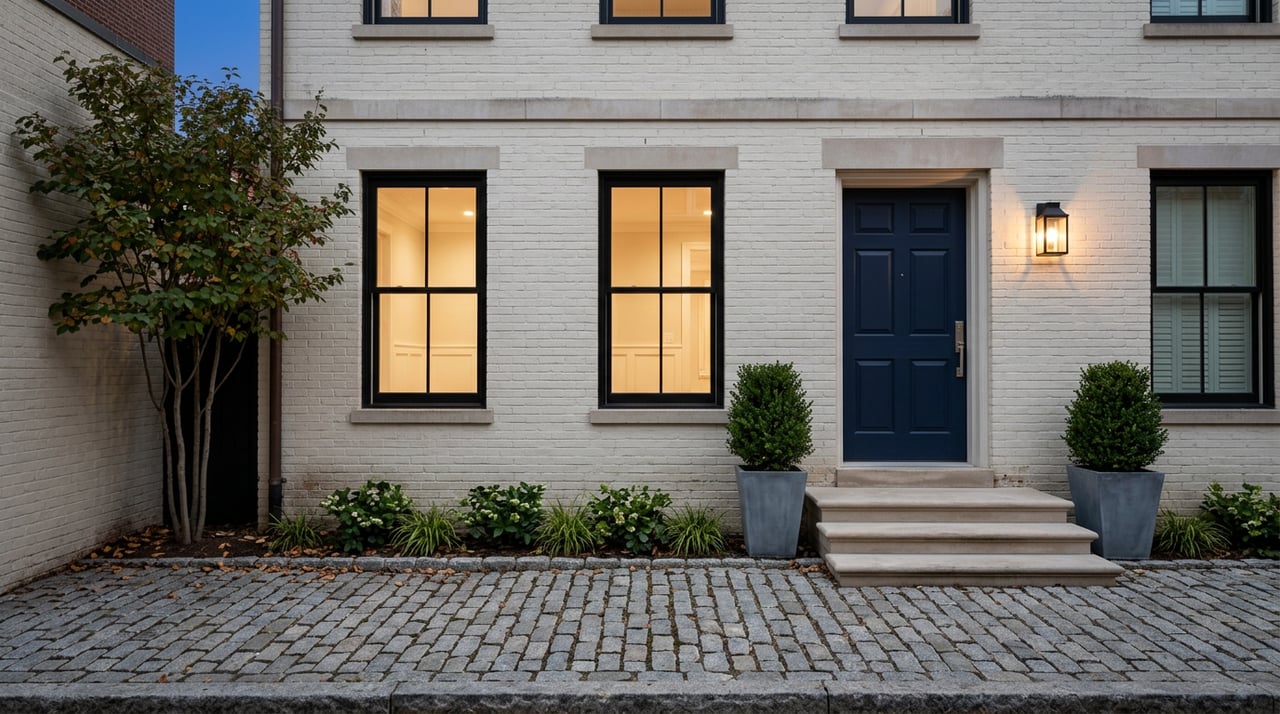
In Georgetown, exterior details carry real weight. Windows are considered character-defining features, and their type, size, materials, glazing, and trim help express a building’s architectural style. That means buyers and their advisers may look closely at authenticity and condition, not just bedroom count.
For sellers, the takeaway is simple. A Georgetown rowhouse tends to perform best when its historic character is easy to understand and its updates feel thoughtful rather than random. Clear records and a well-framed story can help buyers feel confident about what they are seeing.
Before you make repairs, stage rooms, or order photography, gather the paper trail. In a historic Georgetown sale, documentation can be just as important as presentation.
A strong pre-listing packet may include:
If you want to check past approvals, OGB and CFA submission files and review history are available by appointment. Pulling this information early can help you answer buyer questions quickly and avoid confusion later.
A common seller question is whether it makes sense to renovate before listing. In Georgetown, interior alterations and non-structural interior demolition generally do not require historic preservation review. Still, exterior changes connected to that work may require review, so it is important to separate interior improvements from anything visible outside.
If you are thinking about exterior work, start early. HPO encourages early consultation and asks for photos, plans, specifications, and a narrative with permit applications. Some minor repair and in-kind replacement work may be approved administratively, while larger projects can require formal review.
Certain updates can affect both your prep timeline and your marketing position. In Georgetown, review may be triggered by changes such as:
The Old Georgetown Board also expects additions to remain subordinate. It discourages large side and rear expansions, extensive underground additions, and new curb cuts or front-yard parking expansions.
Windows deserve special attention before a Georgetown listing. OGB guidance states that windows installed before 1950 should be restored where possible. If replacement is necessary, visible elevations generally should use compatible wood, single-glazed, true-divided-light windows.
That matters because windows are not just a maintenance item in this market. They are part of how buyers judge the home’s authenticity, care, and compliance with Georgetown standards. If your windows were restored or replaced through an approved process, that should be documented and highlighted in the listing materials.
Selling a Georgetown rowhouse also means getting ahead of disclosure requirements. In DC, a residential real property disclosure statement is required for most one-to-four-unit sales and must be delivered before or at contract. If it is delivered late, the buyer may have a right to terminate within five days, subject to statutory exceptions.
For many Georgetown homes, lead-based paint disclosure is also part of the process because the housing stock is often pre-1978. Sellers must disclose known lead information, provide available records and reports, give the buyer the required EPA and HUD pamphlet, and allow a 10-day period for a paint inspection or risk assessment.
If you plan to do pre-list work that may disturb painted surfaces, the work should be handled carefully. Using firms that follow lead-safe practices can help reduce risk and keep your preparation process on track.
Georgetown’s market remains active, but buyers are selective. Over the three months ending April 2026, the median sale price was about $1.39 million, median days on market were 48, and the sale-to-list ratio was 98.9 percent. About 22.9 percent of homes sold above list, and some homes received multiple offers.
That kind of market does not mean every home gets the same response. In a neighborhood with a wide range of conditions, renovations, and preservation details, presentation and documentation can make a meaningful difference.
Buyers considering historic homes also tend to expect older-home issues. These can include outdated electrical systems, older plumbing, inefficient insulation, aging foundations, and possible lead paint or asbestos. Because of that, many buyers rely on inspectors who understand older properties, and they appreciate sellers who provide clear maintenance and improvement records upfront.
The strongest Georgetown listings usually blend authentic character with modern livability. Buyers want to understand the house’s history, but they also want confidence in how it functions today.
That is why your marketing should be precise. Rather than using vague language about “historic charm,” it helps to identify the features that matter most and explain them clearly.
Focus on details that support both value and buyer confidence, such as:
Existing compliant parking can be especially meaningful. Georgetown policy strongly discourages new curb cuts and front-yard parking expansions, so a home that already has legal parking may offer a practical advantage that is difficult to recreate.
Pricing a historic Georgetown rowhouse takes more than applying a broad neighborhood average. It is better to compare your property with recent Georgetown sales that have similar size, lot characteristics, condition, and level of preservation.
That is especially important in a market where one home may be beautifully documented and thoughtfully updated, while another may need major work or have unresolved questions around exterior changes. Sellers who assume a generic historic-home premium can miss the mark. Careful pricing tied to current Georgetown comps is usually the stronger strategy.
If you want to sell a historic Georgetown rowhouse the right way, think in stages. Rushing to market without a plan can leave value on the table.
A smart roadmap often looks like this:
This approach helps reduce surprises and creates a cleaner story for the market. It also gives buyers what they need most in a historic-home purchase: clarity.
In Georgetown, selling well is rarely about doing the most work. It is about doing the right work, in the right order, with the right documentation.
A rowhouse with a clear history, credible approvals, thoughtful preparation, and strong presentation is often easier for buyers to understand and easier for them to trust. That can support stronger interest, smoother negotiations, and a better overall result.
If you are thinking about selling and want a plan built around Georgetown’s historic realities and today’s buyer expectations, Bernstein Homes can help you prepare, position, and market your home with care.
Bernstein Homes's commitment to staying ahead of market trends and providing unparalleled service has earned them respect of clients alike, leading to strong and long-lasting relationships.

BERNSTEIN HOMES OF COMPASS
7200 WISCONSIN AVE STE 100 BETHESDA MD 20814