Wondering how much earnest money you need to compete for a home in Georgetown? When you find the right place, you want your offer to stand out without putting your deposit at unnecessary risk. You deserve clear guidance on how deposits work in DC, what is typical in Georgetown, and how to protect yourself if things do not go as planned. In this guide, you will learn the essentials, from deposit sizes and timelines to refund rules and safer ways to strengthen your offer. Let’s dive in.
Earnest money basics
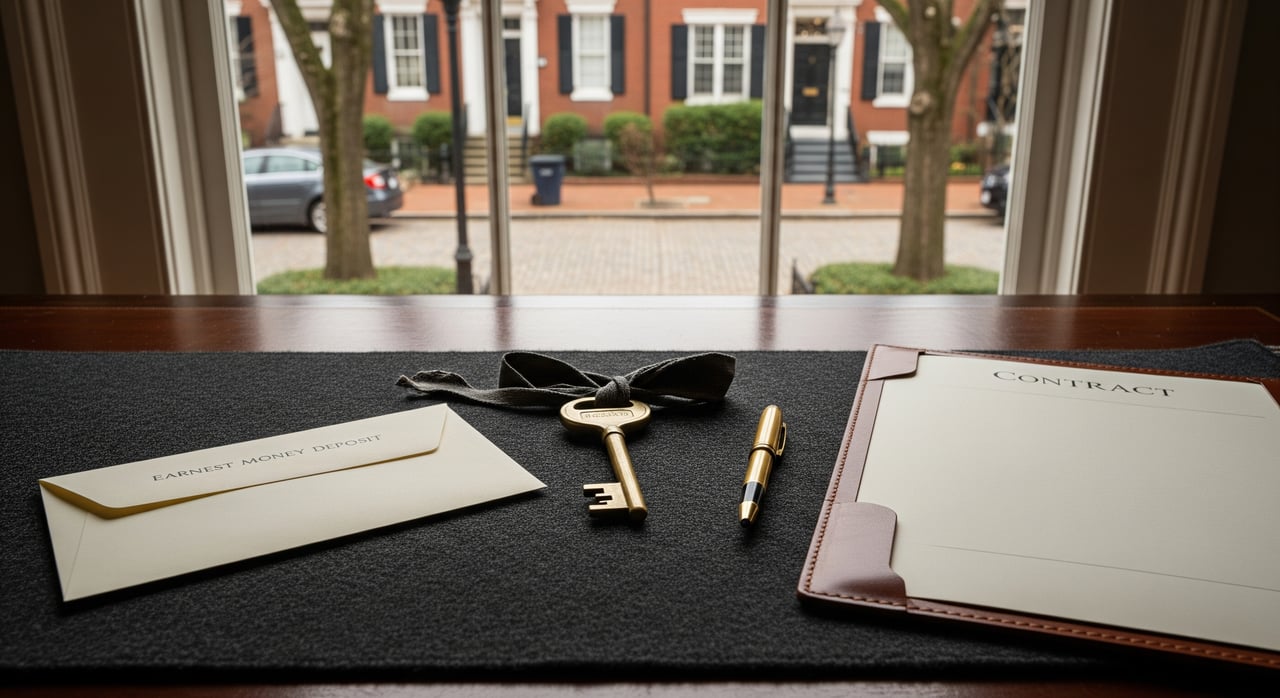
Earnest money is your good‑faith deposit when you go under contract on a home. It shows the seller you intend to follow through and gives them a remedy if you do not perform under the agreement. If the sale closes, your deposit is credited toward your down payment and closing costs.
The deposit is held in escrow by a neutral party, usually a title or settlement company named in the contract. The money stays in escrow while contingencies are handled and is released at closing or as the contract directs.
How DC contracts shape your deposit
Your contract controls what happens to your earnest money. Deadlines, contingencies, and default clauses decide whether you keep the deposit or the seller keeps it. Verbal promises do not override the written agreement.
If you cancel within a valid contingency period, your deposit is usually refundable. If you walk away after deadlines without a contractual right, the seller can typically keep the deposit and may pursue other remedies listed in the contract. If the seller fails to perform, you can usually recover your deposit and follow the dispute steps in the agreement.
Typical deposit amounts in Georgetown
Deposit sizes are market‑sensitive. In many U.S. markets, earnest money often falls around 1 to 3 percent of the price. In higher‑priced neighborhoods like Georgetown, the percentage can be similar, but the dollars are larger.
For DC condos and townhomes in normal conditions, many buyers use deposits in the low to mid thousands, such as about 2,500 to 10,000 dollars for lower‑priced units. For single‑family homes or higher‑end Georgetown properties, deposits often run from several thousands to tens of thousands. In competitive situations, buyers sometimes use larger upfront deposits to signal strength. Ask your DC agent for recent comparable offers so your deposit feels confident and proportional.
Timing and escrow logistics in DC
Most contracts require you to deposit earnest money within 24 to 72 hours after ratification. Make sure the contract names the escrow holder and the deposit timeline.
In DC, the escrow holder is usually a title or settlement company. Some contracts allow a brokerage trust account to hold funds. At closing, your escrowed deposit is credited to your cash due at settlement.
Contingencies and refund rules
Contingencies are the main levers that protect your deposit. Here are the ones Georgetown buyers see most often:
- Inspection contingency. If you cancel within the inspection window and follow the contract notice steps, you typically receive a full refund of your deposit.
- Financing contingency. If you cannot secure your loan by the deadline despite good‑faith efforts, your deposit is usually refundable.
- Appraisal contingency. If the appraisal is below the purchase price and you terminate under the clause, you can often recover your deposit.
- Title contingency. If title problems arise that the seller cannot fix within any cure period, you can cancel and recover your deposit.
- Sale‑of‑home contingency. If your purchase depends on selling your current home, refundability will hinge on very specific wording and deadlines in the contract.
Key terms to watch in your contract include the exact deadlines, how days are counted, and how to deliver written notices. Some contracts contain liquidated damages clauses that make the deposit the seller’s sole remedy. Others allow the seller to seek more than the deposit. The escrow section will say how funds are released and what happens if there is a dispute.
If there is a disagreement about who should receive the deposit, escrow holders usually need joint written instructions or a court order. Keep your documentation, such as inspection reports and lender communications, so you can support a contingency‑based termination if needed.
Strengthen your offer without excess risk
You can look competitive in Georgetown while keeping key protections. Consider these approaches:
- Make a solid deposit but keep core contingencies. Offer a reasonable, above‑average deposit while keeping an inspection contingency with a short window. You show commitment while preserving a safety valve for major issues.
- Pair your offer with strong financing proof. Include a reputable pre‑approval and your lender’s contact information. Clear financing reduces seller uncertainty more than a marginally larger deposit.
- Shorten deadlines, do not waive them. Tighter inspection and financing timelines reduce seller risk without stripping your protections.
- Use targeted offer tools. An escalation clause with a cap can help you outbid up to a defined number. An appraisal gap clause that covers a specific shortfall amount can limit exposure while keeping your offer strong.
- Be flexible on timing. A closing date that fits the seller’s plans can carry as much weight as a bigger deposit.
- Limit extra contingencies. Avoid add‑ons that create uncertainty for the seller unless they are essential to you.
Use higher‑risk tactics with care:
- Waiving inspection, appraisal, or financing contingencies raises the chance of deposit loss or unexpected costs. This is only sensible if you have cash or very strong financing and fully accept the risk.
- Offering nonrefundable earnest money involves material risk. Consider this only in rare, very competitive cases and with full counsel.
You can also structure deposits to balance risk and competitiveness. Some contracts allow a tiered deposit approach, with an initial sum at ratification and an additional amount added after the inspection or financing contingency is satisfied. Spell this out clearly in the contract and confirm with your title company.
Georgetown buyer checklist
- Work with a DC‑licensed buyer’s agent who knows Georgetown norms.
- Secure a respected lender pre‑approval and proof of funds for the deposit.
- Ask for recent comps showing deposit sizes in similar Georgetown deals.
- Set inspection and financing deadlines that are short but realistic.
- Confirm the escrow holder, deposit timeline, and disbursement instructions in the contract.
- Keep written records of notices, inspection findings, appraisal results, and lender updates.
Common pitfalls to avoid
- Missing a deposit deadline. Late funding can breach the contract. Set reminders for 24 to 72 hours after ratification or the timeframe stated.
- Vague escrow instructions. Make sure the contract names the escrow holder and how funds are released.
- Waiving critical contingencies too soon. Only waive after you understand the risks and have a clear plan to cover shortfalls or repairs.
- Assuming a verbal promise will protect your deposit. Only the written contract and timely notices control.
- Over‑depositing without need. Bigger is not always better. Tailor your deposit to the property, competition, and recent comps.
Buying in Georgetown should feel confident and strategic. If you want help calibrating deposit size, crafting contingency timelines, or structuring a winning offer, connect with the team at Bernstein Homes. We help you compete smartly while protecting your interests.

FAQs
Who holds earnest money in DC real estate?
- A title or settlement company usually holds the deposit in escrow, or a brokerage trust account if named in the contract, which should specify the holder and location.
How soon do I need to deposit earnest money?
- Most DC contracts call for a deposit within 24 to 72 hours after ratification, but your exact deadline is the one written in your agreement.
Is earnest money applied to my down payment at closing?
- Yes. At settlement, the escrowed deposit is credited toward your cash to close, which can include your down payment and closing costs.
Can I get my deposit back if the inspection finds big issues?
- If you cancel within the inspection contingency period and follow the notice steps in your contract, you are typically entitled to a refund of your deposit.
What happens if the appraisal comes in low in DC?
- With an appraisal contingency, you can often renegotiate or cancel and recover your deposit per the contract. Without it, you may need to cover the gap or risk losing the deposit if you default.
What if there is a dispute over who gets the earnest money?
- Escrow holders generally require joint written instructions or a court order to release contested funds, and the contract may outline mediation or arbitration steps.
How much earnest money should I offer in Georgetown?
- Use a deposit that fits the price point and competition. In Georgetown, amounts often scale higher in dollars even if the percentage is similar, so ask your agent for recent local comps to set a competitive figure.