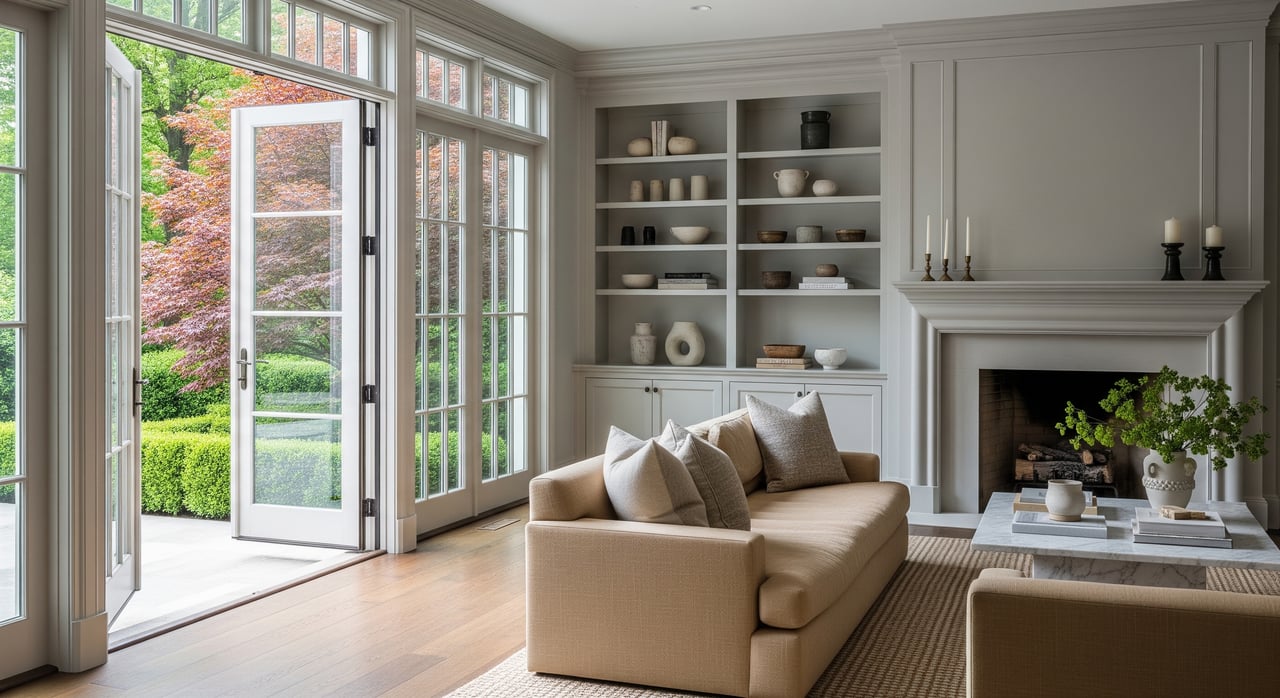
How to Sell a Luxury Home in Bethesda Successfully
February 5, 2026
February 5, 2026
Thinking about selling your Bethesda home in the next year? Luxury buyers in this market expect turnkey quality, thoughtful upgrades, and a polished presentation that feels effortless. You want the sale to be smooth and rewarding, without overinvesting or missing details that matter. In this guide, you will learn how to plan your timeline, choose the right improvements, and market with confidence so your home shines when it hits the market. Let’s dive in.
Bethesda sits close to major employers and transit, which attracts professionals who value quality finishes, modern systems, and a low‑stress move. In the luxury tier, buyers often compare unique properties, not rows of identical comps. Small gaps in condition or presentation can push them toward another listing.
Your goal is to deliver a home that feels well cared for, current, and easy to live in from day one. That often means refreshed interiors, updated kitchens or baths where needed, and clear evidence of maintained systems. A curated marketing approach, including private previews and premium visuals, helps you reach qualified buyers quickly.
Before you pick paint colors, step back and map out the plan. A strong start saves money and reduces stress later.
Use a simple prioritization framework:
Your updates should be market‑appropriate, not one‑size‑fits‑all. Align the scope with your target price band and buyer profile.
Focus on a layout that feels open and practical. Professional‑grade ventilation, quality countertops, and high‑end appliances are worth attention in this segment. Custom cabinetry with soft‑close hardware and integrated storage adds daily usability. Keep the palette cohesive so it reads well in photos and tours.
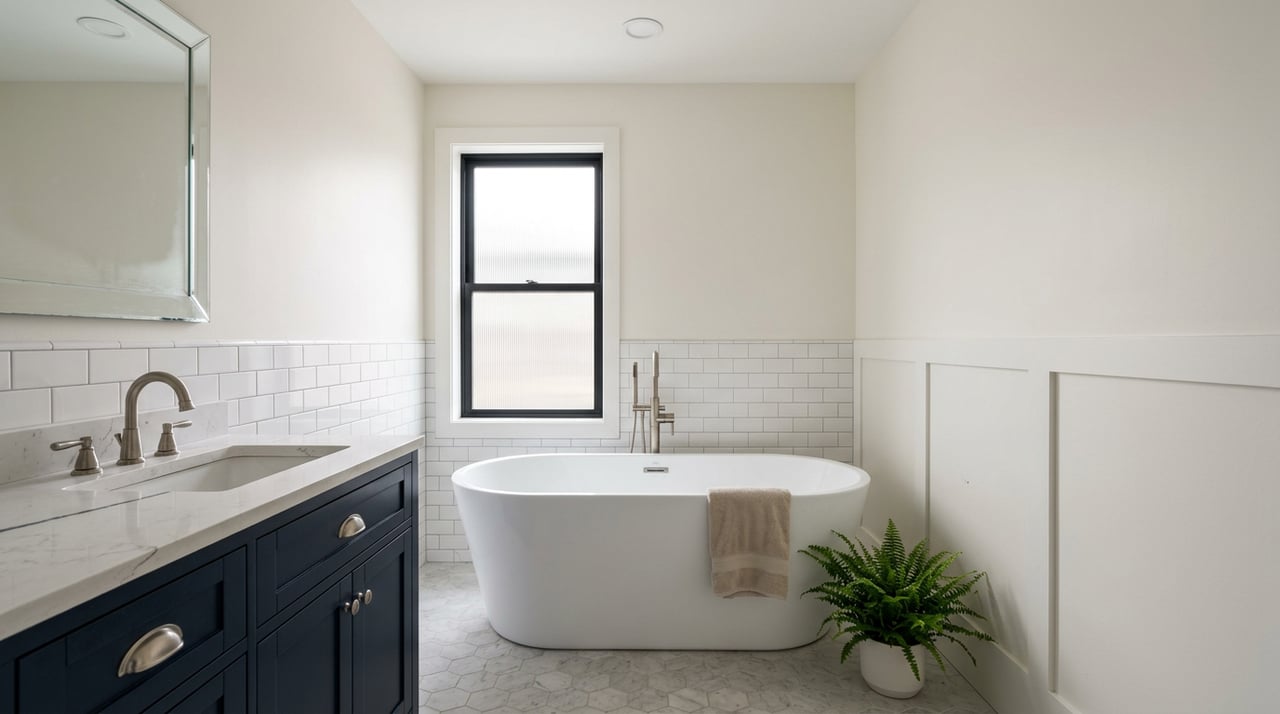
A spa‑like primary bath with a walk‑in shower or soaker tub, double vanities, and good lighting resonates with luxury buyers. If closet space is limited, consider built‑ins or a dressing area. Subtle sound management between the suite and common areas can make the space feel more private and serene.
Buyers look for evidence of well‑maintained and modern systems. Service or replace HVAC as needed, review your electrical panel capacity, and ensure your hot‑water heater is in good shape. Smart thermostats, security, and AV should be cleanly integrated and easy to operate. If EV charging is relevant, note available power or upgrades.
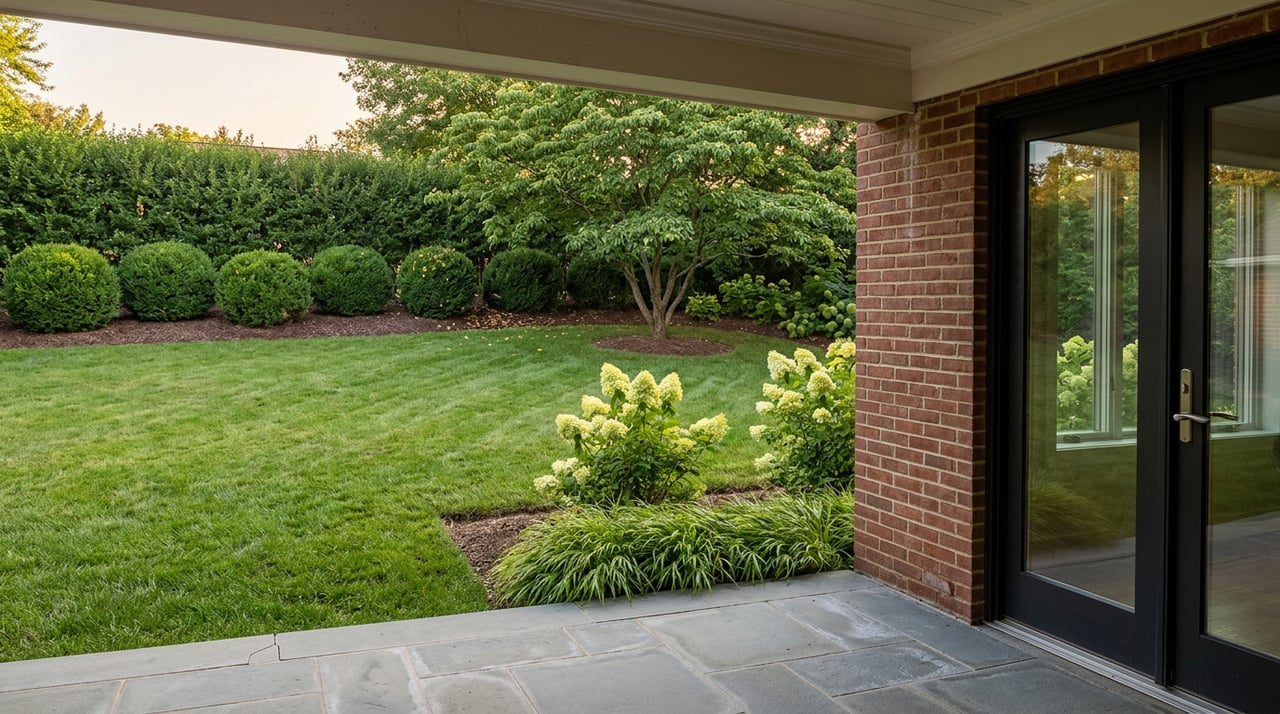
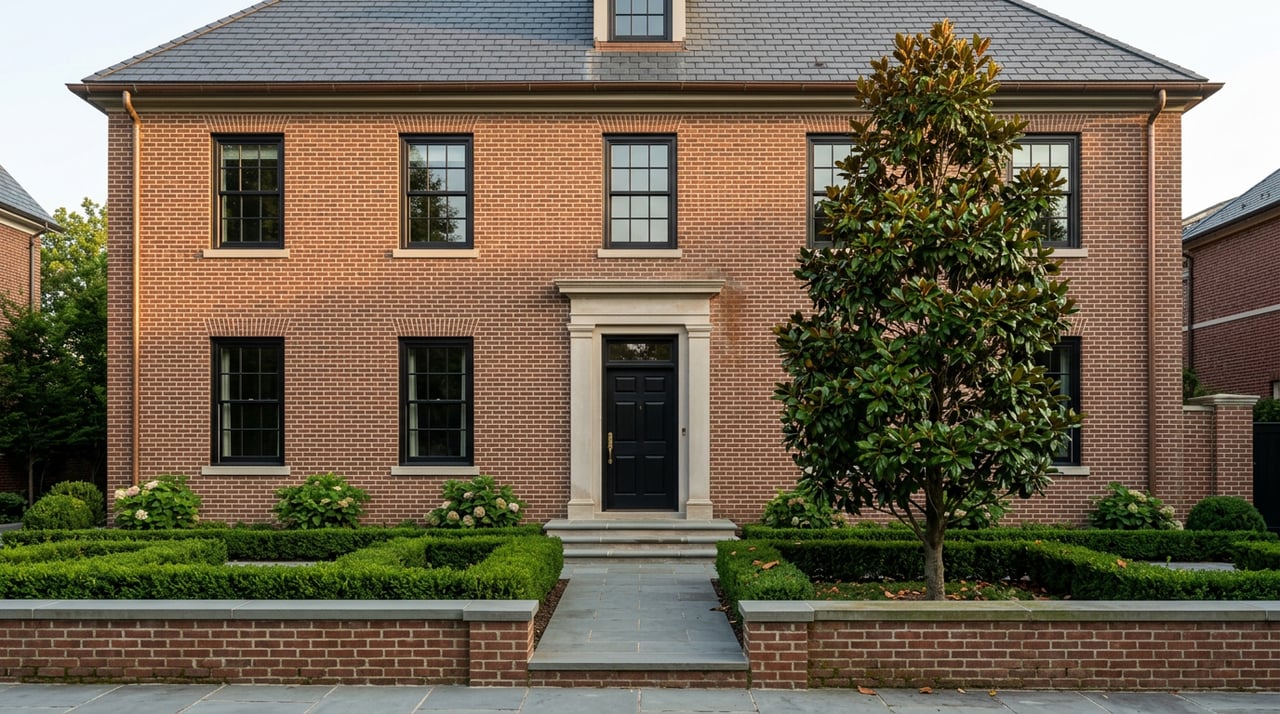
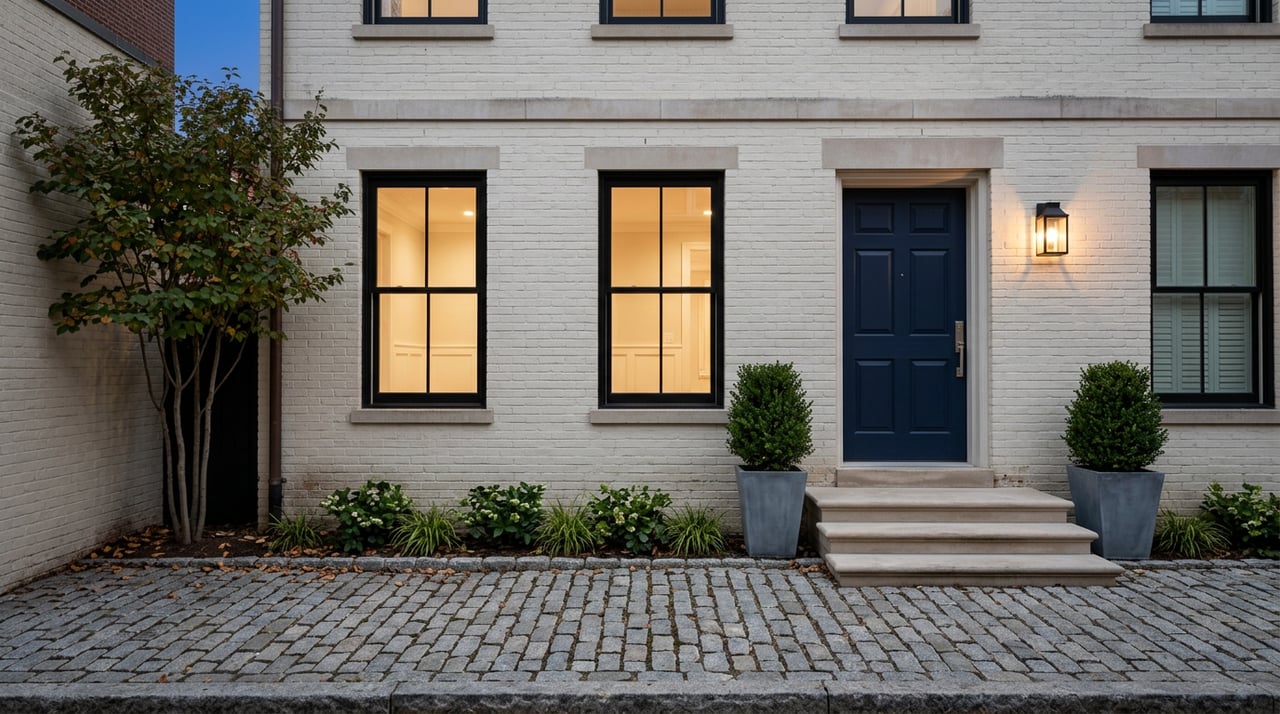
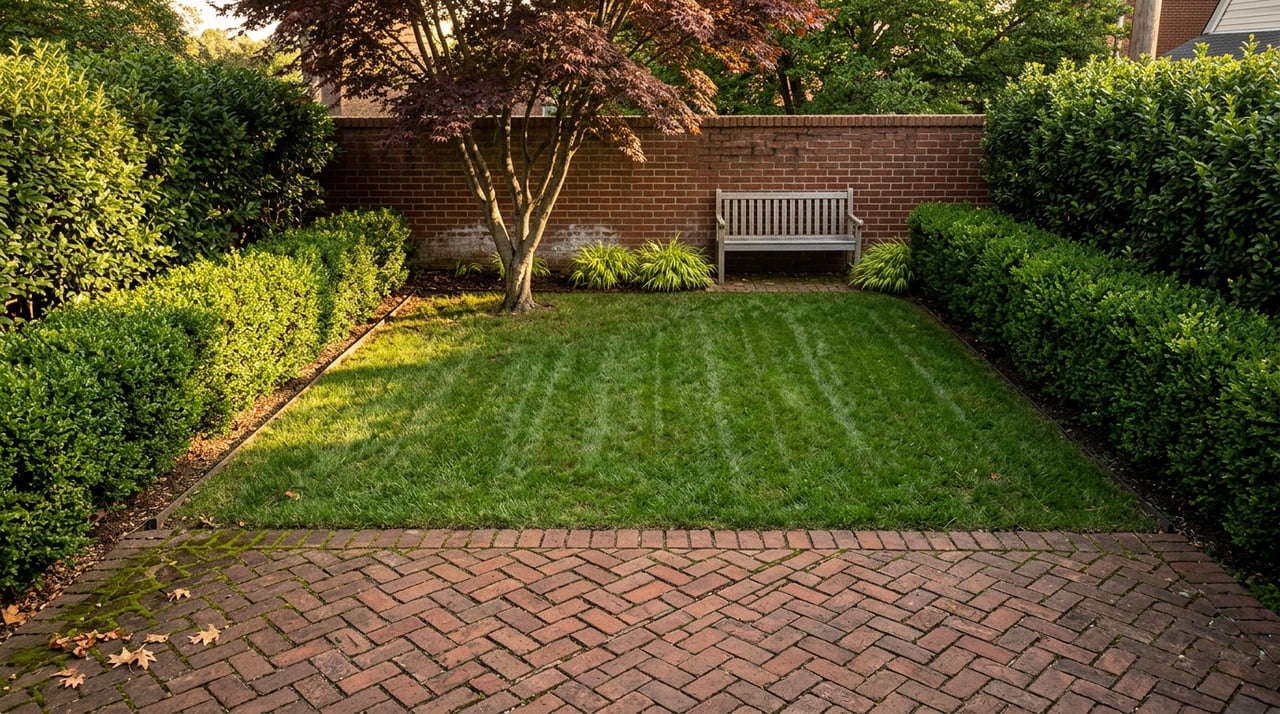
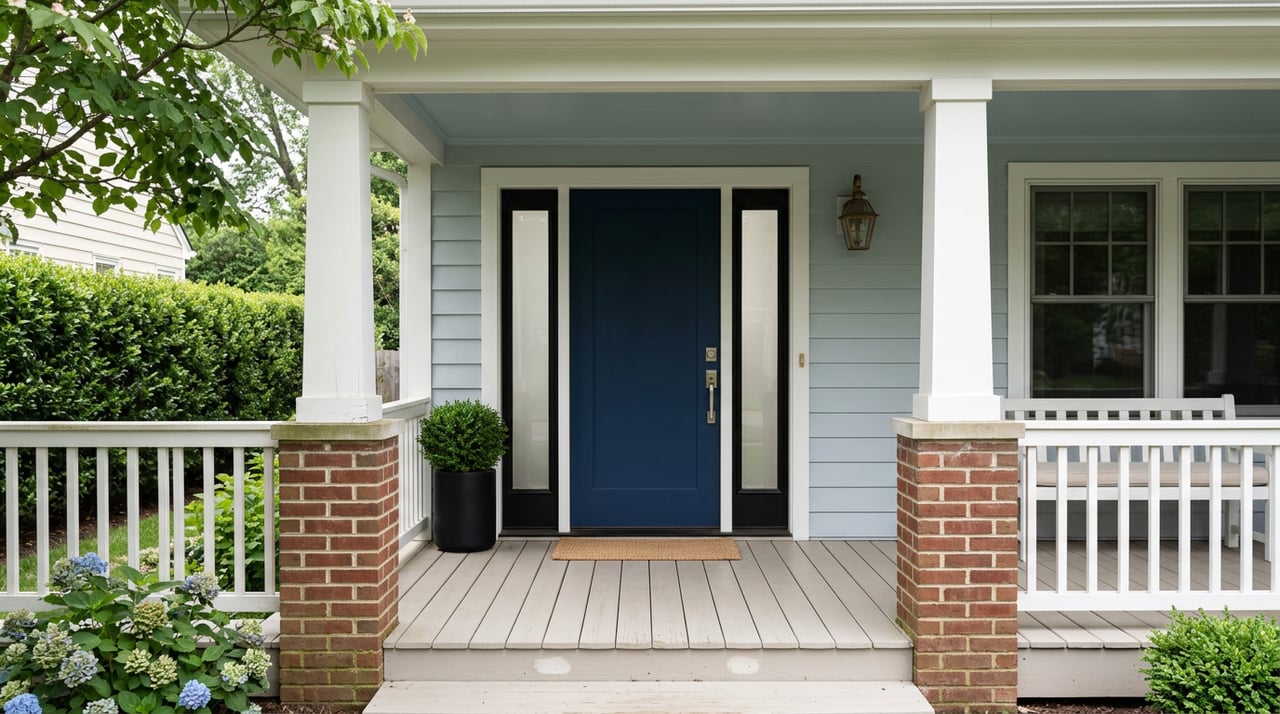
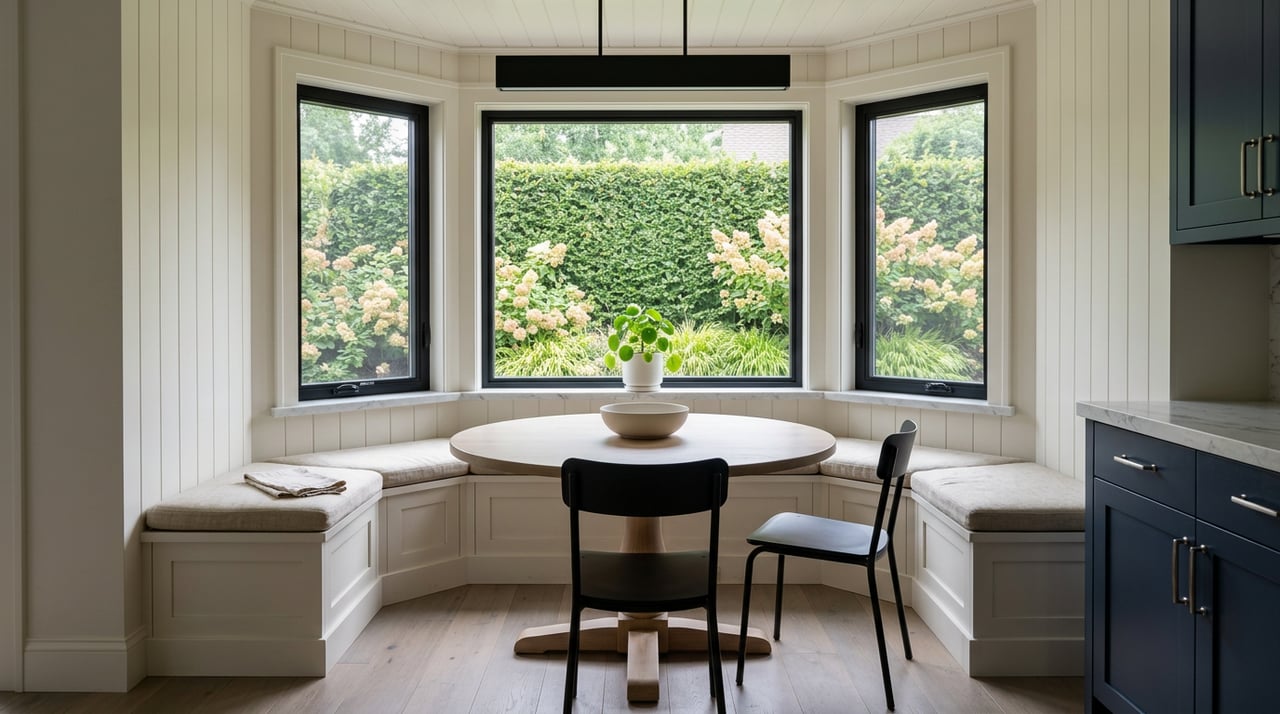
Curb appeal sets the tone. Refresh plantings, repair hardscape, and add tasteful exterior lighting. In the backyard, patios or decks with defined dining and lounge zones photograph and show well. If you have a pool, address any deferred maintenance now so it becomes a feature, not a question mark. Many Bethesda lots benefit from added privacy through fencing or mature plantings.
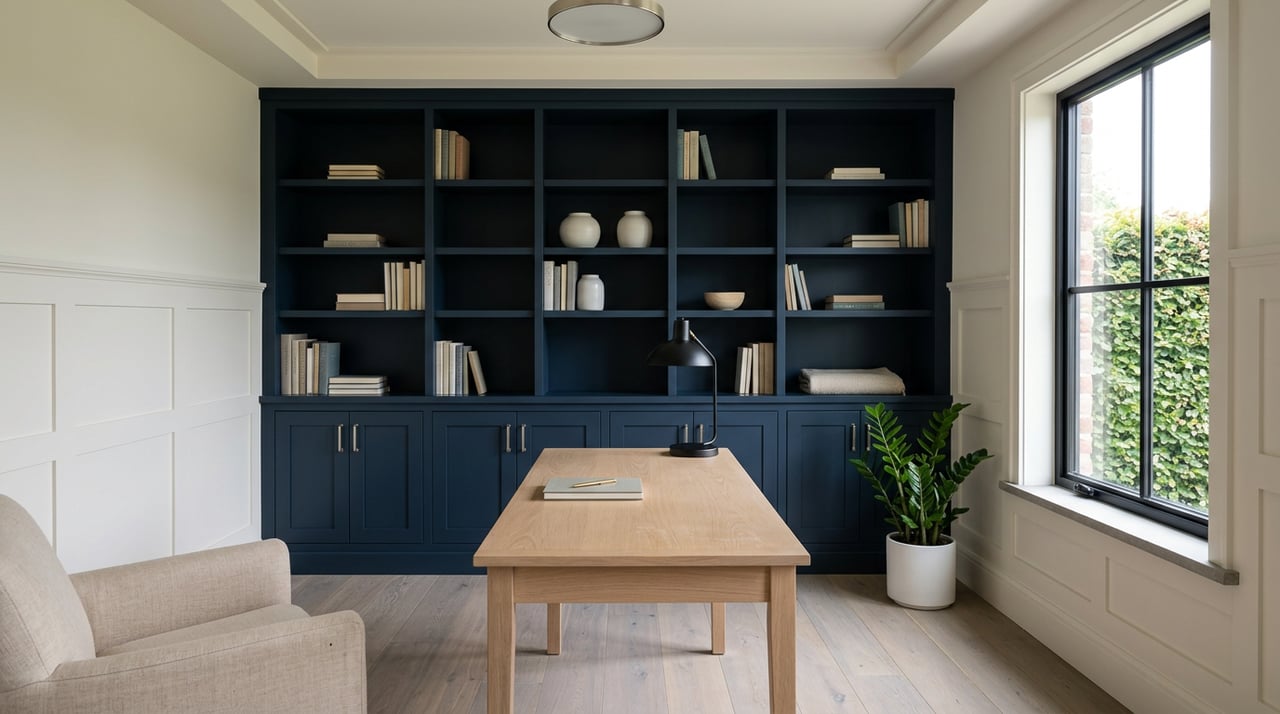
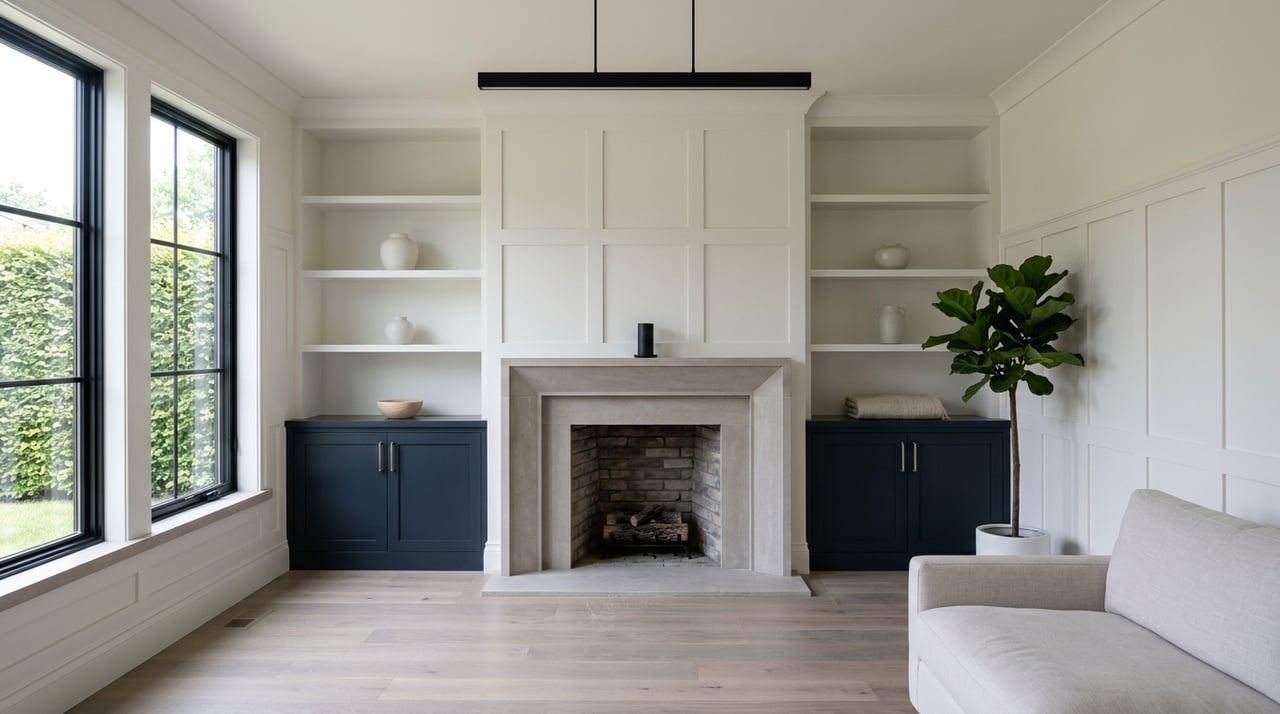
Fresh neutral paint, refinished floors where needed, and updated light fixtures help buyers focus on the architecture rather than wear. Swap dated hardware for clean, modern options. Remove nonessential window treatments to maximize natural light and reveal views of trees or gardens.
Consider small upgrades that broaden appeal, such as a first‑floor full bath or low‑threshold entries. In the DC region, radon testing is a smart precaution. If mitigation is needed, completing it before listing can reduce negotiation friction later.
Montgomery County requires permits for structural work and most electrical, plumbing, HVAC, or exterior changes. Before starting, confirm requirements directly with the Montgomery County Department of Permitting Services. If your home is in or near a historic or conservation area, exterior updates may need special review. Townhouse sellers should also coordinate exterior plans with their HOA and confirm vendor access policies and scheduling.
Keep records for any permitted work and recent improvements. Having documentation ready for buyers and appraisers builds confidence. For property records and assessment questions, consult the Maryland Department of Assessments and Taxation.
The way your home feels and photographs is just as important as the updates you choose. Staging and premium visuals help buyers connect emotionally and navigate the space with ease.
Hire a professional stager with luxury experience. Define show‑stopping spaces, such as the great room, formal dining, primary suite, and outdoor living area, and allocate budget accordingly. Declutter and depersonalize while preserving inviting character. If the home will be vacant, plan on staging to avoid a cold feel and to help scale rooms for photos and tours.
Ask for a photographer who specializes in high‑end homes. Request high‑resolution imagery, twilight exteriors, and drone shots if the lot or setting calls for it. Accurate floor plans are a must in this segment. 3D tours and video walkthroughs help attract remote and international buyers and can shorten time to serious showings.
Use a multi‑channel approach designed for luxury. Along with the MLS, your listing can benefit from targeted exposure on reputable luxury portals such as Luxury Portfolio and Mansion Global, plus curated outreach to top local agents, relocation brokers, and qualified buyer networks. In select cases, off‑market previews or invitation‑only events can be effective. Your agent should tailor the strategy to price point, timing, and privacy needs.
Pay‑at‑closing programs like Compass Concierge can cover staging, repairs, and select upgrades so you do not pay up front. The costs are repaid from proceeds at closing. Discuss eligibility, covered services, and total repayment with your agent to confirm the program aligns with your goals and timeline.
In the luxury tier, comparable sales can be limited and vary widely by lot, architecture, and level of finish. Your pricing should consider broader time frames, amenity adjustments, and psychological thresholds that shape buyer pools. Highlight recent high‑value improvements in your listing materials to support the ask.
Plan for private showings and curated open houses that give buyers time to explore. Collect feedback quickly so you can refine as needed. When offers come in, weigh strength and structure in addition to price. Financing certainty, appraisal risk, timing, and potential leaseback requests often matter as much as the number on page one.
If you are aiming for a spring launch, this schedule keeps you on track and gives contractors and stagers the time they need.
Luxury preparation ranges widely, so lean on your agent for local contractor benchmarks and scope calibration. Expect to invest more in staging for larger homes or vacant properties. Premium photography, video, drone work, and print materials are worthwhile line items in this segment. Programs that allow pay‑at‑closing can smooth cash flow when upgrades will clearly elevate the listing.
Luxury buyers expect transparency. Prepare a clean disclosure package to speed decisions and reduce renegotiation risk.
Selling a luxury home is a project that rewards planning, taste, and precision. With a thoughtful six‑ to twelve‑month plan, strategic upgrades, and premium presentation, you can meet buyer expectations and maximize your outcome. If you are considering a spring listing, now is the ideal time to align scope, budget, and timeline.
Ready to map your plan and explore whether Compass Concierge, in‑house staging, and a curated marketing rollout are right for you? Schedule a consultation with Bernstein Homes to get an expert, local strategy tailored to your home and goals.
Bernstein Homes's commitment to staying ahead of market trends and providing unparalleled service has earned them respect of clients alike, leading to strong and long-lasting relationships.

BERNSTEIN HOMES OF COMPASS
7200 WISCONSIN AVE STE 100 BETHESDA MD 20814