Love the look of Dupont’s prewar brick buildings and generous bay windows? If you are drawn to tall ceilings, thick moldings, and classic proportions, there is a good chance you are picturing a Wardman-era home. Buying in one of these buildings means balancing timeless character with the realities of older systems and association stewardship. This guide shows you how to spot authentic details, understand typical layouts and upgrades, and evaluate building health so you can buy with confidence. Let’s dive in.
What a Wardman building means
Harry Wardman was one of Washington’s most prolific early 20th-century developers. Locals use “Wardman building” to describe rowhouses and apartment buildings his firms built during that period. It signals an era and craft rather than a single floor plan.
You will find many of these residences converted to condominiums or cooperatives. Some are in historic districts or listed on local or national registers, which helps explain why so many original details survive in Dupont Circle.
Why Dupont Circle is a Wardman hub
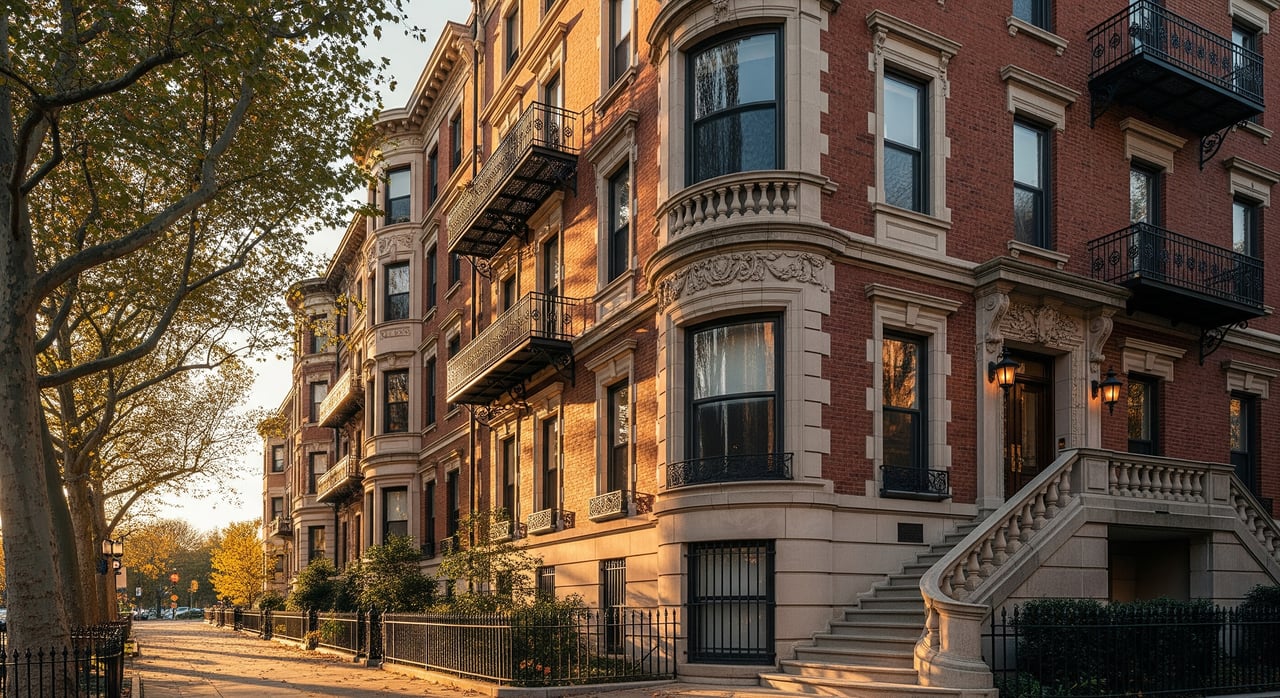
Dupont Circle was a prime development area in the early 1900s. The neighborhood’s late Victorian, Colonial Revival, and Classical Revival palette pairs naturally with Wardman-era construction. Many blocks feature cohesive brick façades and ornament that tell the period’s story.
Historic designation is common in the area. Local protections can guide exterior changes and encourage careful restoration of original elements.
Exterior hallmarks to spot
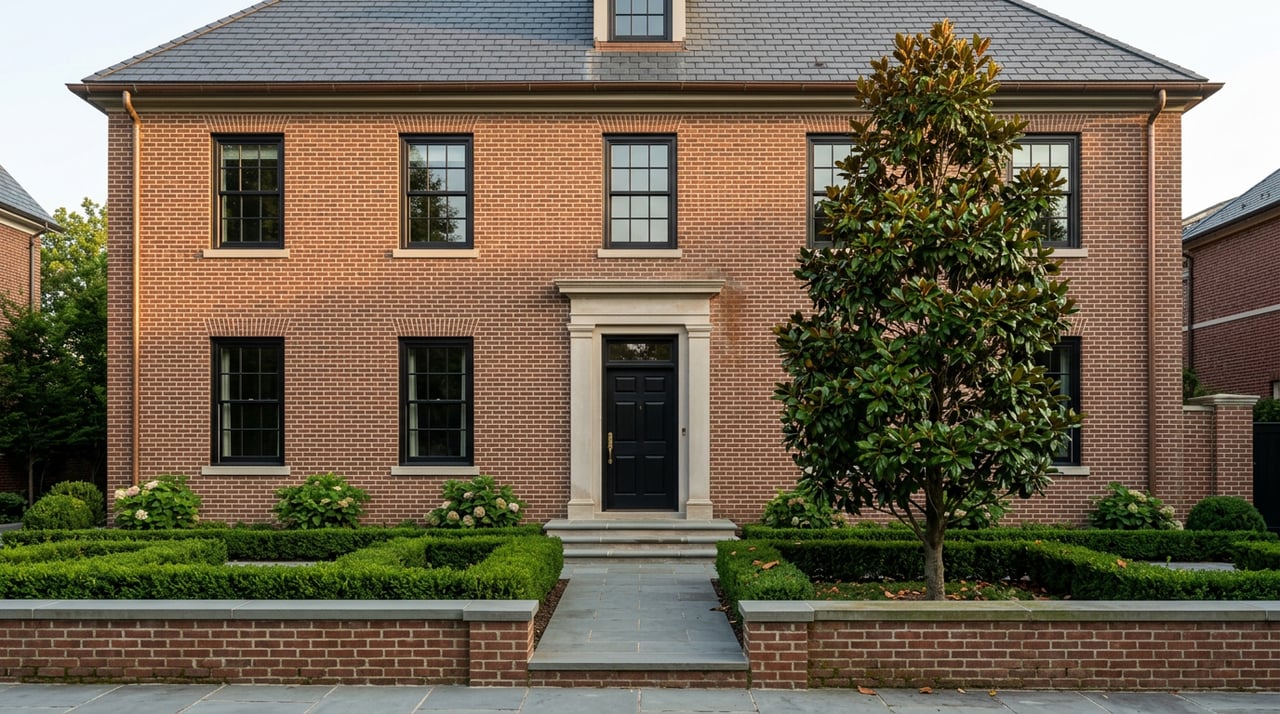
- Brick masonry in red or buff tones with stone or limestone trim.
- Bay windows, belt courses, and projecting or metal cornices.
- Carved stone lintels and sills, and occasional classical touches like pilasters.
- Flat roofs on apartment buildings; parapets or pitched roofs on rowhouses.
- Raised stoops and modest entry porches on many smaller buildings.
- Original wood double-hung windows in some units, often replaced over time.
Interiors and craftsmanship cues
- High ceilings, commonly 9 to 12 feet, especially on parlor levels.
- Substantial millwork including crown and picture rails, with built-ins in some homes.
- Heavy panel doors, transoms, and original brass or iron hardware in select units.
- Hardwood floors, often oak or pine, with parquet in some apartments.
- Cast-iron radiators for steam or hot-water heat; boilers and hot-water systems are often modernized.
- Original lath-and-plaster walls and ceilings, sometimes updated with drywall.
Typical layouts in Dupont Wardman buildings
Rowhouse conversions
- Stacked flats carved from larger rowhouses, often with a formal front parlor and rear kitchen.
- Classic DC rowhouse plans with entertaining spaces on the main level and bedrooms upstairs.
- Basements may be partially finished; ceiling height and egress can limit use.
Apartment building floor plans
- Classic corridor buildings with studios, one-bedrooms, and compact two-bedrooms.
- Parlor or gallery-style apartments that feature long living rooms and defined dining rooms.
- Larger prewar two- or three-bedroom units appear in some buildings.
Layout constraints to keep in mind
- Load-bearing masonry walls can limit open-plan reconfigurations.
- Galley kitchens and compact baths are common in unrenovated spaces.
- Structural bays and stacked plumbing often dictate where changes are feasible.
Renovations you will see and how to assess them
Kitchens
- Full gut renovations with modern cabinetry, stone or quartz counters, and updated appliances are common.
- Wall removals can create better flow. Ask whether structural support was needed and permitted.
Bathrooms
- Tub-to-shower conversions and full tile updates are typical.
- Older galvanized or cast iron lines may have been replaced with copper during larger remodels.
Mechanical, electrical, and plumbing
- Electrical upgrades often include new service panels, dedicated kitchen circuits, and GFCI protection.
- Heating may remain central hot-water or steam with in-unit radiators. Some units add through-wall AC or mini-splits.
- Building piping can be a mix of new and old. Ask about any sewer lateral or riser replacements.
Windows, insulation, and sound
- Many units have double-glazed replacement windows. Check sightlines and trim to see if they respect the historic character.
- Older masonry walls often lack cavity insulation. Roof or attic insulation is a common improvement.
- Soundproofing between floors or at ceilings can vary widely by building and renovation quality.
Accessibility and life safety
- Some apartment buildings have retrofitted or modernized elevators.
- Sprinklers and fire-stopping may be required when units or common areas undergo major work.
How to evaluate the association and building health
A beautiful unit only tells half the story. The association’s finances and the building’s infrastructure drive long-term costs and risk.
Key documents and metrics to request
- Recent reserve study and a capital plan for roofs, façades, boilers, elevators, and hot-water systems.
- Current budget, balance sheet, and latest audit or financials.
- Board meeting minutes for the last 12 to 24 months to surface upcoming projects and owner concerns.
- Insurance declarations and claims history for water, fire, or structural events.
- Any recent engineering, façade, or building inspection reports.
- FHA or VA approval status if you plan to use those programs.
Red flags to watch
- Low reserves relative to age and known upcoming projects.
- Frequent special assessments or sudden dues spikes.
- Recurrent water intrusion, mold remediation, or unresolved leaks.
- Litigation involving the association.
- Coverage gaps or premium spikes in insurance.
Physical checks that tell a story
- Masonry: look for spalling brick, bulging walls, and failed mortar joints that signal repointing needs.
- Roof and cornice: water staining on top-floor ceilings suggests roof or drainage issues.
- Elevators and common areas: frequent outages or tired finishes can reflect management quality.
- Mechanical rooms: note the age and maintenance of boilers, water heaters, electrical panels, and piping.
On your tour: a quick unit checklist
- Ceilings: look for stains or settlement cracks; note plaster vs. drywall patches.
- Floors: check for levelness and hardwood condition; ask about sound underlayments.
- Windows and HVAC: test window operation; identify heating type and any ductless systems.
- Plumbing: run water to test pressure and hot-water delivery; look under sinks for leaks; note piping material.
- Electrical: inspect panel labeling, GFCI in wet areas, and dedicated kitchen circuits.
- Sound transfer: listen for footsteps or neighbor noise during your visit.
- Storage: measure closet depth and confirm any basement or common storage.
- Historic features: verify fireplace function and compliance if the unit has one.
Financing, insurance, and historic rules to know
Lenders and insurers take a close look at older buildings. Association health, reserve levels, and recent capital projects can impact underwriting and premiums. If you plan to use government-backed financing, check whether the condominium is approved for those programs.
Historic designation can shape exterior work such as window replacement. Interior renovations often proceed as usual but must meet building and fire codes. Many Dupont Wardman rowhouses were converted into condos, so you may want to understand the conversion history and permitting when you review title and disclosures.
If you want to research further, you can explore:
- National Register background on historic listings through the National Park Service.
- Historic research and guidelines via the DC Historic Preservation Office.
- Building histories and drawings in the Library of Congress’ Historic American Buildings Survey.
- FHA and VA condo approval databases if relevant to your financing plan.
Smart questions to ask before you offer
- When was the last reserve study and what are the next three capital projects?
- Has the roof, façade repointing, boiler, or elevator been addressed in the last 10 years?
- Are there pending special assessments or litigation?
- What upgrades were completed in the unit and were permits pulled for electrical, plumbing, or structural work?
- Have there been water intrusion or pest issues and how were they resolved?
- Which utilities are included in condo or co-op fees, and what are typical monthly costs?
- Are attic, basement, or storage spaces deeded or common elements?
Your local edge in a Wardman purchase
A thoughtful plan helps you balance charm and practicality. With Wardman-era homes, the best results come from pairing an eye for historic character with careful review of building systems and association health. You deserve a team that understands both.
If you want tailored guidance on Dupont Wardman condos, rowhouse conversions, and co-ops, connect with Bernstein Homes. Our team brings local, building-level expertise, buyer representation across D.C., and a calm, detail-driven approach from tour to close. Let us help you identify value, avoid red flags, and move quickly when the right home appears.
FAQs
What is a Wardman building in Dupont Circle?
- It is a locally used term for early 20th-century rowhouses and apartment buildings developed by Harry Wardman’s firms, known for brick masonry, tall ceilings, and strong millwork.
How can I verify if a building is truly Wardman-built?
- Check nomination forms and listings through local or national registers, review permit records, and consult archival resources like HABS to confirm builder attribution.
Are Wardman-era condos and co-ops usually quiet?
- Masonry helps, but sound varies by floor assembly and renovations; listen during tours and ask about any soundproofing or underlayment between units.
What renovations add the most comfort in older units?
- Updated electrical panels and dedicated circuits, modernized kitchens and baths, window improvements, and mini-split cooling systems often provide the best day-to-day impact.
What association documents should I review before buying?
- Prioritize the reserve study, capital plan, current budget, recent minutes, insurance declarations, and any engineering reports to gauge risk and upcoming costs.
Can I use FHA or VA financing in these buildings?
- Possibly; eligibility depends on the building’s current approval status, so verify the condo or co-op’s standing if you plan to use those programs.
How does historic designation affect my renovation plans?
- Exterior changes, especially windows, usually require review under local preservation rules; interior updates must meet code and any building-specific guidelines.