You love the brick charm, tall windows, and tree‑lined blocks of Capitol Hill. Buying a rowhouse here can give you classic architecture, a private yard, and a walkable lifestyle. It can also raise smart questions about historic rules, inspections, and renovation timelines. This guide shows you how Capitol Hill rowhouses are built, what to inspect, how preservation review works, and how to craft a winning offer. Let’s dive in.
What makes a Capitol Hill rowhouse unique
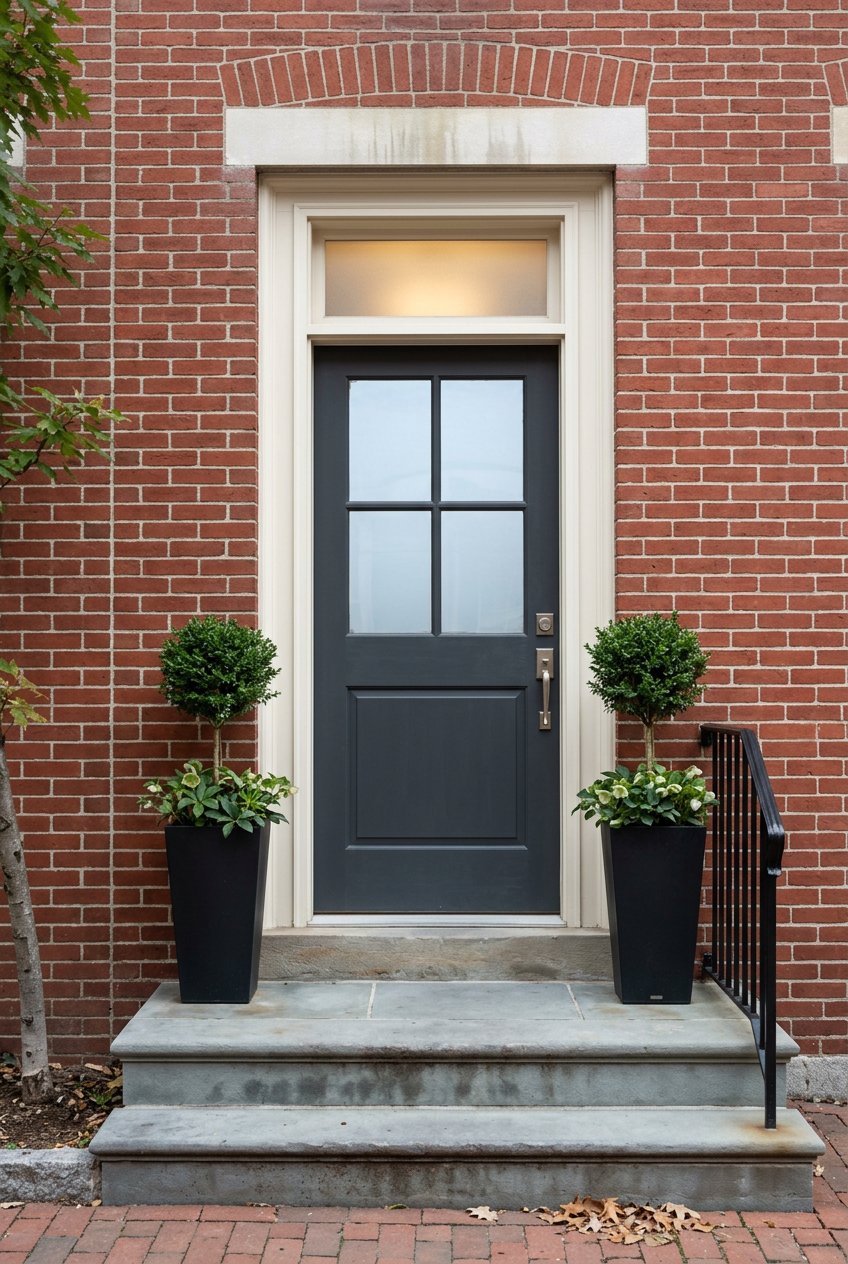
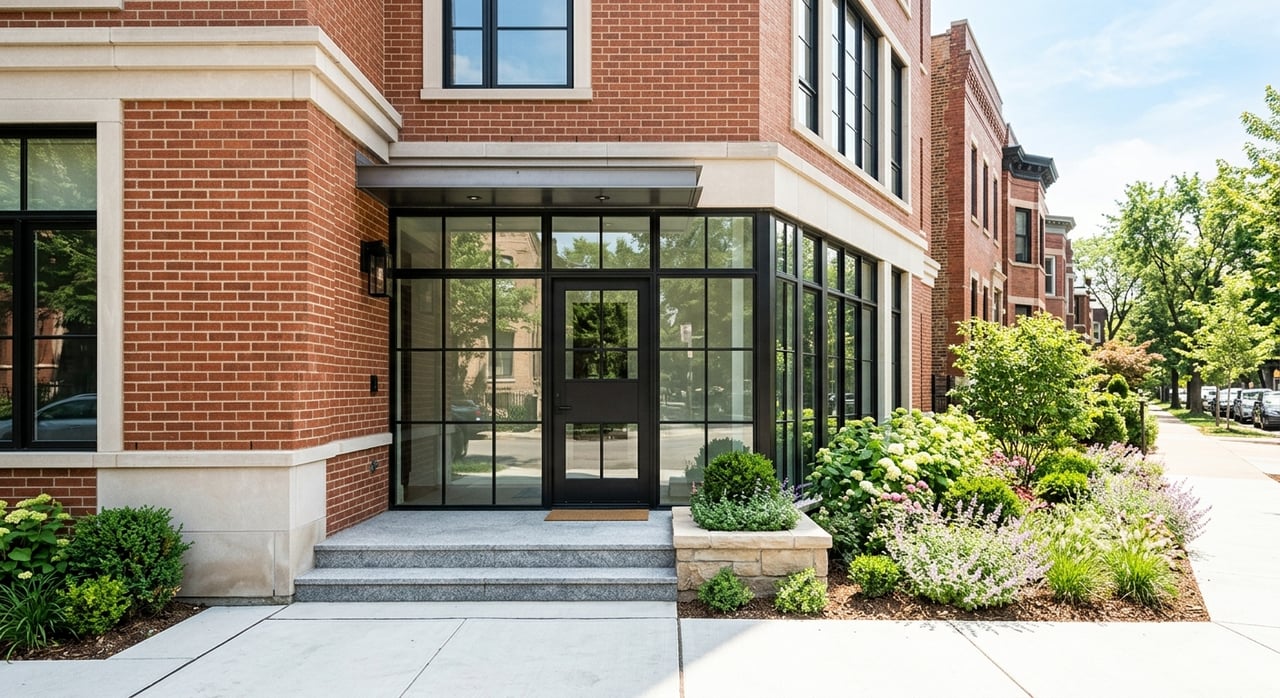
Capitol Hill is known for cohesive runs of late‑19th and early‑20th‑century masonry rowhouses. Many are two or three stories with brick facades and simple decorative details. The area’s National Register listing describes a collection of modest, well‑scaled homes that line narrow, deep lots with small front yards and private rear spaces. You can read the architectural baseline in the Capitol Hill Historic District nomination from the DC Office of Planning for deeper context.
- Common layouts: You’ll often see a raised‑stoop plan with the main parlor level above the street, or a garden or English‑basement layout with a separate lower‑level entry. Bedrooms usually sit on upper floors, and many homes have finished attics or third levels.
- Lot realities: Lots are narrow and deep. Rear additions, alley access, and small carriage or alley buildings appear on many blocks. Do not assume parking or expansion is feasible until you verify zoning, historic review triggers, and site constraints. The DC Office of Planning’s permits and design review page is a good starting point for what may require review.
How historic review affects your plans
Much of Capitol Hill lies in a local historic district. That does not stop you from renovating. It simply shapes how visible exterior changes are reviewed for compatibility.
- Two tracks: Most routine exterior repairs and small alterations are reviewed and approved by staff at the Historic Preservation Office (HPO). Larger additions, demolitions, and visible new construction often go to the Historic Preservation Review Board (HPRB). More than 95 percent of preservation cases are cleared through HPO’s expedited staff process. You can confirm procedures in the HPO review process handout.
- Timing: HPO can clear minor permits in days. HPRB meets monthly and adds scheduling, public notice, and community input time. The handout above outlines deadlines and explains why major proposals benefit from early concept review. Filing fees also apply, which you can confirm on the HPRB filing fees page.
What usually needs review
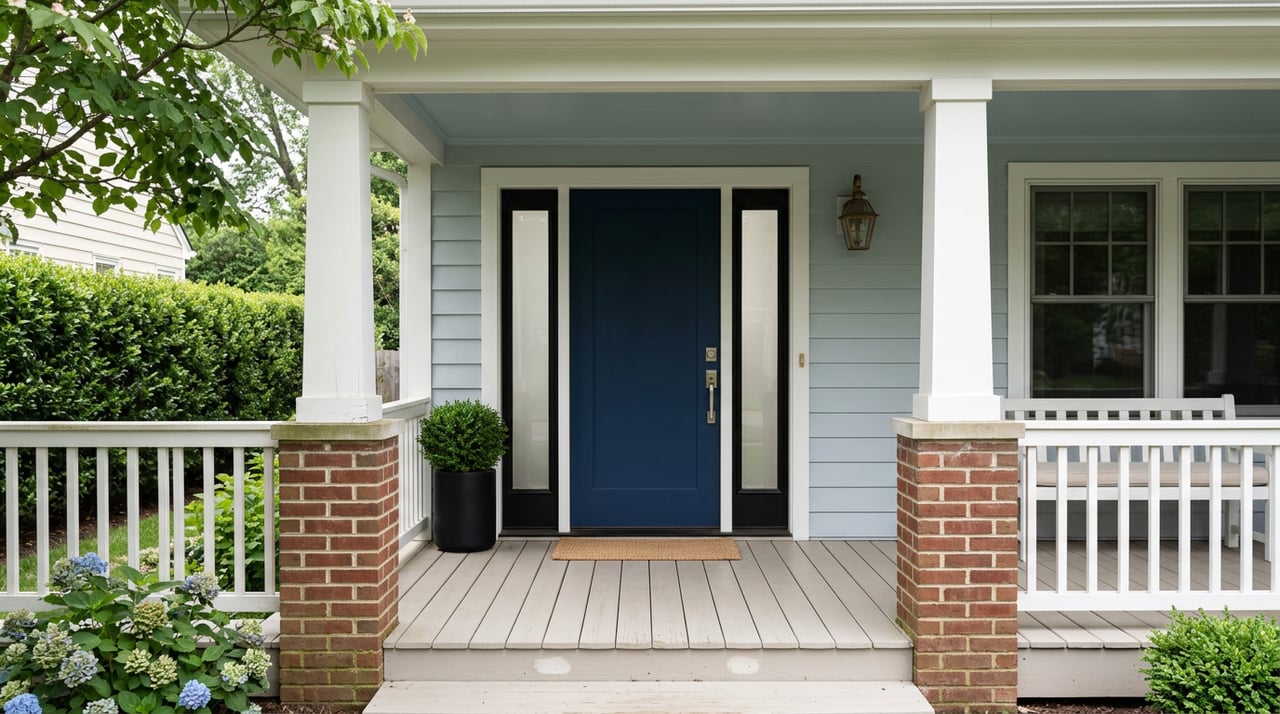
- Visible window or door replacements on the street facade
- New roofline elements, solar arrays visible from public space, or roof decks visible from the street
- Rear additions, decks, or exterior stairs that are visible from public space
- Masonry changes on the front facade or major alterations to character‑defining features
What usually does not
- Interior‑only work that does not alter the exterior
- Ordinary maintenance and in‑kind repairs
- Some HVAC installations not visible from public space
For any project idea, a quick HPO consultation can clarify if staff can approve it or if HPRB review is likely. Start with Permits & Design Review and the process handout linked above.
Common conditions to inspect in Capitol Hill rowhouses
Older masonry homes are durable, but age and water can create issues. A focused inspection plan protects your budget and your timeline.
Masonry and repointing
Watch for failing mortar, bulging brick, and mismatched past repairs. Historic brick often needs softer, compatible mortar. Using modern hard mortars can damage old brick. The National Park Service has practical preservation briefs that explain appropriate repair methods.
Historic windows and sash
Many Hill facades retain original wood windows. HPO and the National Park Service generally favor repair and weather‑stripping over full replacement on street‑facing elevations. If you plan to restore or replace, read NPS Brief 9 on repairing and upgrading historic wooden windows for performance and cost‑saving strategies.
Roofs, chimneys, and drainage
Check chimney stability, caps, and flues. Confirm roof age, flashing at party walls, and that gutters and downspouts move water well away from the foundation. Water is the biggest long‑term threat to older masonry. Visible roof changes are sensitive under preservation review, so plan upgrades carefully with the HPO review process in mind.
Basements and moisture
Expect some level of moisture pressure in many basements. Look for sump pumps, active drainage, signs of seepage, and proper ventilation. If a lower level is advertised as a separate legal unit, request the Certificate of Occupancy and permits. The HPO process guide explains where permits and reviews apply.
Sewer laterals
Private sewer laterals, from the house to the public main, are typically the homeowner’s responsibility. A pre‑purchase camera scope can reveal cracks, roots, or sags that could become a costly repair. Learn what a CCTV scope involves in this sewer lateral resource library.
Lead and asbestos considerations
Most Capitol Hill houses predate 1978, so assume lead‑based paint is present. Consider lead testing for paint and water. Also be alert to older pipe insulation or specialty materials that may contain asbestos, especially if you plan renovations. To check water service line material and replacement programs, use DC Water’s Lead Free DC dashboard.
Buyer inspection checklist
- Structural or engineer review if you see sagging, settlement, or roof framing concerns
- Licensed home inspection plus specialists as needed: electrician, plumber, HVAC, chimney sweep
- CCTV sewer lateral scope before closing
- Mold and moisture evaluation for basements and lower levels
- Lead testing for paint and water, and a window specialist if original sash matters to you
Renovation levels, timelines, and budgets
Your upgrade plan should match your priorities, timeline, and the review process. Broader scopes and visible exterior changes can add time for preservation review.
- Cosmetic refresh: Paint, flooring, and a light kitchen tune‑up usually take a few weeks with a low to mid five‑figure budget. National Cost vs. Value reporting has consistently shown that minor kitchen upgrades tend to recoup well at resale. See a side‑by‑side on scopes and ROI in this overview of virtual vs. real renovation costs and ROI.
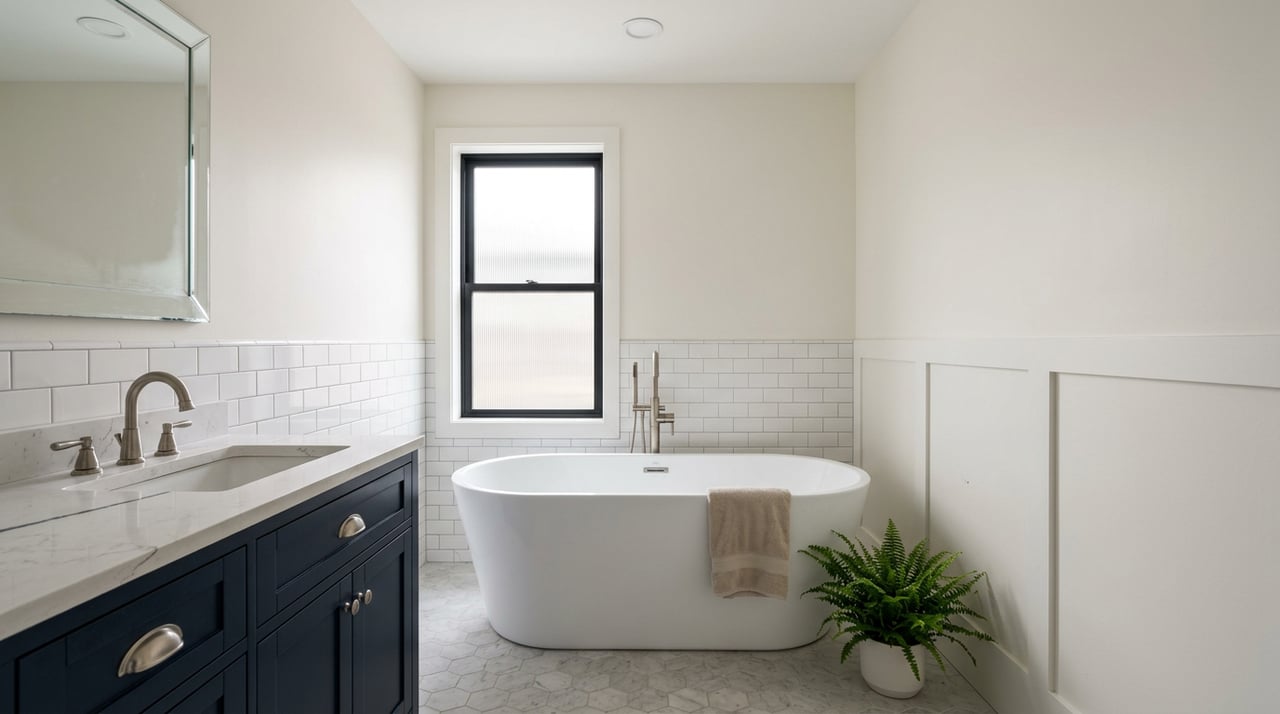
- Full kitchen or bath remodel: Expect an 8 to 12 plus week schedule and a mid to high five‑figure investment, depending on materials and whether walls or windows move. Structural changes can add permit and preservation review time.
- Gut renovation or addition: Multi‑month projects can reach six figures once systems, structural work, and code upgrades are included. If exterior work is visible from public space, build in time for HPRB concept and permit review per the HPO guidance.
Practical tip: When you compare listings, normalize asking prices against likely retrofit costs. Early contractor walkthroughs can help you price your total investment, not just the purchase.
Offer strategy in a competitive neighborhood
Capitol Hill can move fast, and each block behaves like its own micro‑market. Prepare a clean, confident offer package and lean on targeted due diligence instead of risky waivers.
- Be fully underwritten with clear proof of funds.
- Use short, focused contingency windows instead of waiving inspections. Pre‑offer specialist checks are sometimes possible.
- Consider an escalation clause or an appraisal gap strategy only after you understand the tradeoffs and your comfort level.
- Align your close date and seller requests for a smooth path to acceptance.
Your buying roadmap on Capitol Hill
Follow this step‑by‑step path to reduce surprises and keep momentum.
1) Pre‑search prep
- Get fully pre‑approved and confirm your loan type, including renovation‑friendly options if you plan upgrades.
- Ask your lender about older systems, two‑prong outlets, or other items that could require repair for loan approval.
2) On‑list screening
- Use the DC Office of Planning’s Permits & Design Review page to confirm historic district status and find the right point of contact.
- Ask the listing agent for permit history, any HPO or HPRB filings, contractor invoices, and the Certificate of Occupancy for any separate unit or carriage house.
- Check DC Water’s Lead Free DC dashboard for the water service line material and program eligibility.
3) Early inspections
- In a tight market, write an offer that allows an immediate specialist scope during a short inspection window. Prioritize electrical, sewer CCTV, roof and chimney, and structural checks. If a separate unit is advertised, verify the legal use and documents right away.
4) Smart offer tactics
- Present a complete package with pre‑approval, proof of funds, clean timelines, and strong earnest money.
- Use targeted, shortened contingencies rather than blanket waivers whenever possible.
5) Contract and due diligence
- Require seller disclosures of permits and renovation invoices.
- If a lead service line exists, confirm steps and timing using the Lead Free DC dashboard.
- If you plan exterior changes, request an HPO pre‑filing consultation and use guidance from the HPO process handout to set a realistic schedule.
6) After closing
- Hire contractors with historic experience. The Capitol Hill Restoration Society offers useful neighborhood context and maintenance guidance in its FAQs on historic districts.
- For window repair or replacement, consult NPS Briefs like Wooden Windows and make sure scopes match preservation expectations.
- For sewer work, use licensed contractors who understand DC Water coordination and trenchless options when feasible, informed by this sewer lateral overview.
Ready to start on the Hill?
Buying a Capitol Hill rowhouse rewards careful prep. With the right inspections, a clear read on historic review, and a smart offer, you can secure the home you want and plan upgrades with confidence. If you want a seasoned local partner to guide strategy, line up specialists, and streamline each step, connect with Bernstein Homes. Schedule a Consultation.
FAQs
Will the Capitol Hill historic district stop me from renovating?
- No. You can renovate. Visible exterior changes must meet preservation standards. HPO staff approve many in‑kind repairs quickly, while larger or more visible projects go to HPRB. Start with a pre‑filing consult using the HPO review process guide.
Do I have to replace original front windows in a Capitol Hill rowhouse?
- Not usually. HPO and NPS guidance favor repair and weather‑stripping for street‑facing historic windows. Replacement can be approved when needed but must be compatible in material and profile. See NPS advice on historic wooden windows.
Who pays to replace a lead water service line at a Capitol Hill home?
- Replacement responsibility and assistance depend on DC programs and eligibility. Check DC Water’s Lead Free DC dashboard for your property’s status and current enrollment and assistance options.
Are roof decks allowed on Capitol Hill rowhouses?
- Possibly, but visible roof changes are sensitive in the historic district. Many proposals require preservation review, especially if visible from public space. Review the HPO process handout and consult HPO early for feasibility and timing.
How should I verify a basement apartment is legal in a Capitol Hill rowhouse?
- Ask for the Certificate of Occupancy, permits, and inspection records. Confirm zoning and use with the seller’s documents and the DC Office of Planning’s Permits & Design Review resources. A legal review protects your financing and long‑term plans.